
Did you know that nearly 30% of expats struggle with their credit scores while living abroad? Establishing a strong credit score can be a daunting task in unfamiliar territory, but it’s crucial for securing loans, renting an apartment, or even landing a job. In this article, we’ll guide you through practical steps to build and maintain your credit score, ensuring that your financial health remains robust no matter where you are in the world. Get ready to take control of your financial future, even from thousands of miles away.
Introduction to Building Credit While Abroad
Building credit while abroad can seem like a daunting task, especially for those who are navigating unfamiliar financial systems. However, taking proactive steps to establish a credit history overseas can open doors to numerous opportunities, from securing rental agreements to obtaining favorable loan terms. Understanding the local banking culture is crucial; many countries have different criteria for assessing creditworthiness that may not align with your home country’s standards.
One effective strategy is to consider opening a local bank account and applying for a secured credit card. This approach not only helps you manage day-to-day expenses but also allows you to build a credit score recognized in your host country. Additionally, many international banks offer services that bridge your home and foreign accounts, facilitating easier access to credit products that can enhance your financial reputation abroad. Engaging with local financial advisors or expat communities can provide valuable insights into the best practices for building credit in your new environment, ensuring you make informed decisions tailored to your situation.
Researching Local Credit Systems and Requirements
When exploring local credit systems while abroad, it’s essential to understand that each country has its own unique financial landscape. This means that credit scores, lending practices, and even the types of credit available can vary dramatically. For instance, in some countries, credit histories are tightly linked to national identification systems, which can make it easier for newcomers to establish credit quickly if they have the right documentation. Conversely, in other places, building a credit profile might require a more gradual approach, as lenders may be wary of extending credit to individuals without established local ties.
Moreover, cultural attitudes towards debt and credit can influence how you navigate these systems. In certain regions, cash transactions are preferred and viewed as more stable, while others might embrace credit as a tool for financial growth and investment. Engaging with locals or expat communities can provide invaluable insights into these nuances, revealing tips on how to leverage existing relationships or partnerships that can aid in establishing your creditworthiness. By immersing yourself in the local financial culture and adapting your strategies accordingly, you can set yourself up for success in your new environment.
Opening a Local Bank Account Effectively
When opening a local bank account abroad, the first step is to research banks that report to credit bureaus in your home country. Many expatriates overlook this crucial detail, assuming all banks operate similarly. Establishing an account with a financial institution that shares data with your home country’s credit agencies can significantly enhance your credit score, even while you’re miles away. This means that each responsible transaction—like timely deposits and maintaining a healthy balance—can contribute positively to your overall credit profile.
Additionally, consider the types of accounts offered and their associated fees. Some banks provide student or expat accounts with lower fees or no minimum balance requirements, which can help you manage your finances more effectively while overseas. Moreover, leveraging features like online banking and mobile apps can facilitate seamless transactions and help you monitor your spending habits, ensuring you stay on track to maintain a positive credit history. Finally, keep an eye on international transaction fees if you plan to use your card frequently; a bank with favorable terms can save you money and further solidify your financial standing abroad.
Using Credit Cards Responsibly Overseas
When traveling overseas, using credit cards responsibly can significantly impact your credit score and overall financial health. One of the key strategies is to maintain a low credit utilization ratio, ideally keeping it below 30%. This means if you have a credit limit of $10,000, you should aim to charge no more than $3,000 while abroad. It’s tempting to splurge on experiences, but being mindful of your spending will not only keep your credit utilization in check but also help you stay within a budget.
Additionally, it’s crucial to understand the foreign transaction fees that many credit cards impose. Opt for cards that offer no foreign transaction fees to maximize your purchasing power and avoid unnecessary costs. Furthermore, notify your credit card issuer about your travel plans to prevent your card from being flagged for suspicious activity. This proactive communication ensures you can make purchases seamlessly and helps maintain a positive payment history—another vital component of a good credit score. Ultimately, responsible credit card use while traveling can enhance your financial standing and allow you to enjoy your adventures without the burden of debt.
Paying Bills and Managing Finances Timely
Managing your finances while abroad can be a daunting task, especially when it comes to ensuring your bills are paid on time. One effective strategy is to set up automatic payments for essential bills such as credit cards, utilities, and subscriptions. This not only helps you avoid late fees but also keeps your credit score intact. Many banks offer mobile apps that allow you to monitor your accounts in real time, making it easier to track your spending and stay on top of due dates, even when you’re halfway around the world.
Another crucial tip is to maintain a dedicated budget for your time abroad. By allocating funds specifically for bills and expenses, you can prevent overspending on travel experiences and ensure that your financial obligations are met. Consider using budgeting tools or apps that provide insights into your spending habits, allowing you to adjust as needed. Staying organized with your finances will not only foster good credit health but also give you peace of mind to enjoy your travels without the looming anxiety of unpaid bills.
Monitoring Your Credit Score Regularly
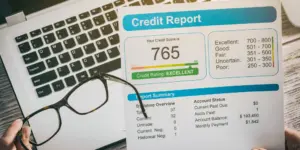
Monitoring your credit score while abroad is not just a financial responsibility; it’s a proactive strategy that can significantly enhance your financial well-being. When you’re living in a different country, it’s easy to overlook the impact of local credit behaviors on your score back home. Credit reporting agencies are increasingly aware of international activity, and a sudden dip in your score can hinder your ability to secure loans or even rent an apartment upon your return. By utilizing mobile apps or online services that provide real-time updates on your credit status, you can stay informed and take immediate action if any discrepancies arise.
Additionally, being overseas presents unique opportunities for building your credit history. If you plan to stay long-term, consider opening a local bank account or applying for a credit card designed for expatriates. These actions can diversify your credit profile, showcasing your responsible financial behavior across borders. However, keep an eye on the exchange rates and foreign transaction fees, as these can affect your overall financial picture. Regularly checking your credit score equips you with the knowledge needed to make informed decisions, ensuring that you’re not only maintaining but potentially enhancing your credit standing, no matter where life takes you.
Utilizing International Credit Reporting Services
When living or traveling abroad, managing your credit score can feel like navigating uncharted waters. International credit reporting services offer a unique solution, allowing individuals to maintain and build their credit history regardless of their geographical location. These services compile data from various countries, enabling expatriates and frequent travelers to establish a cohesive credit profile. This is particularly beneficial for those looking to make significant purchases, such as securing a mortgage or financing a vehicle in a foreign land.
Moreover, utilizing these services can lead to better financial opportunities. A strong international credit report can open doors to lower interest rates and better loan terms, making it easier to finance your lifestyle while abroad. Additionally, many international credit bureaus provide tools and resources tailored to help users understand local credit systems, empowering them to make informed decisions. By proactively managing your credit score on an international scale, you not only safeguard your financial future but also enhance your global mobility and adaptability in an increasingly interconnected world.
Tips for Returning Home with Strong Credit
Maintaining a strong credit score while abroad requires a proactive approach. One effective strategy is to set up automatic payments for any ongoing bills, such as credit cards or loans, before leaving. This ensures that your accounts remain in good standing, preventing missed payments that could negatively impact your score. Additionally, consider using a credit card with no foreign transaction fees for your purchases while traveling; this not only helps you manage your expenses but also keeps your credit utilization low, which is crucial for maintaining a healthy credit profile.
Another essential tip is to monitor your credit report regularly, even from overseas. Services like credit monitoring apps can alert you to any changes or potential fraud, allowing you to address issues promptly. Furthermore, engaging with your financial institution before departure can provide clarity on how international transactions may affect your accounts. Some banks offer travel-specific advice and might even provide resources tailored to managing finances abroad, helping you keep your credit score intact while you explore the world. By implementing these strategies, you can return home not only with unforgettable memories but also with a robust credit score ready for future endeavors.
Strengthening Your Credit Globally
Navigating the intricacies of global credit can feel daunting, especially when you’re living abroad. However, understanding how to strengthen your credit score internationally opens doors to better financial opportunities. One effective strategy is to establish a local bank account and maintain a steady flow of transactions. This not only helps build a local credit history but also demonstrates your financial reliability to potential lenders in your host country.
Moreover, consider leveraging international credit cards that report to multiple credit bureaus. By using these cards responsibly—keeping balances low and making payments on time—you can positively influence your credit score across borders. Additionally, don’t overlook the power of utility bills. Setting up utilities in your name and ensuring timely payments can bolster your creditworthiness, as many countries now recognize these payments as part of your credit profile. Embracing these strategies not only strengthens your financial standing but also enhances your ability to secure loans or mortgages, ultimately paving the way for a more stable financial future while living abroad.