Did you know that a single late payment can drop your credit score by over 100 points? For many, a strong credit score is the key to unlocking better loan rates and favorable terms on big purchases. In this article, we’ll delve into five common mistakes that people unknowingly make, which can severely damage their credit scores. By identifying and avoiding these pitfalls, you can take control of your financial future and ensure you’re in the best position for borrowing.
Understanding Your Credit Score Basics
Your credit score is more than just a number; it’s a reflection of your financial health and behavior. Ranging from 300 to 850, this three-digit figure is calculated based on various factors, including payment history, credit utilization, length of credit history, types of credit in use, and recent inquiries. Understanding these components can empower you to take control of your financial future. For instance, did you know that maintaining a credit utilization ratio below 30% can significantly boost your score? This means that if you have a $10,000 credit limit, keeping your balance under $3,000 can enhance your creditworthiness.
Moreover, the timeline of your credit history plays a crucial role in shaping your score. Older accounts tend to carry more weight, as they demonstrate reliability and stability to potential lenders. This highlights the importance of maintaining long-term relationships with creditors rather than constantly opening new accounts for short-term benefits. Additionally, monitoring your credit report regularly can help you catch errors or fraudulent activities that might negatively impact your score, allowing you to address them before they escalate. By demystifying these aspects of your credit score, you can make informed decisions that pave the way for better loan terms, lower interest rates, and overall financial success.
Ignoring Your Credit Report Regularly
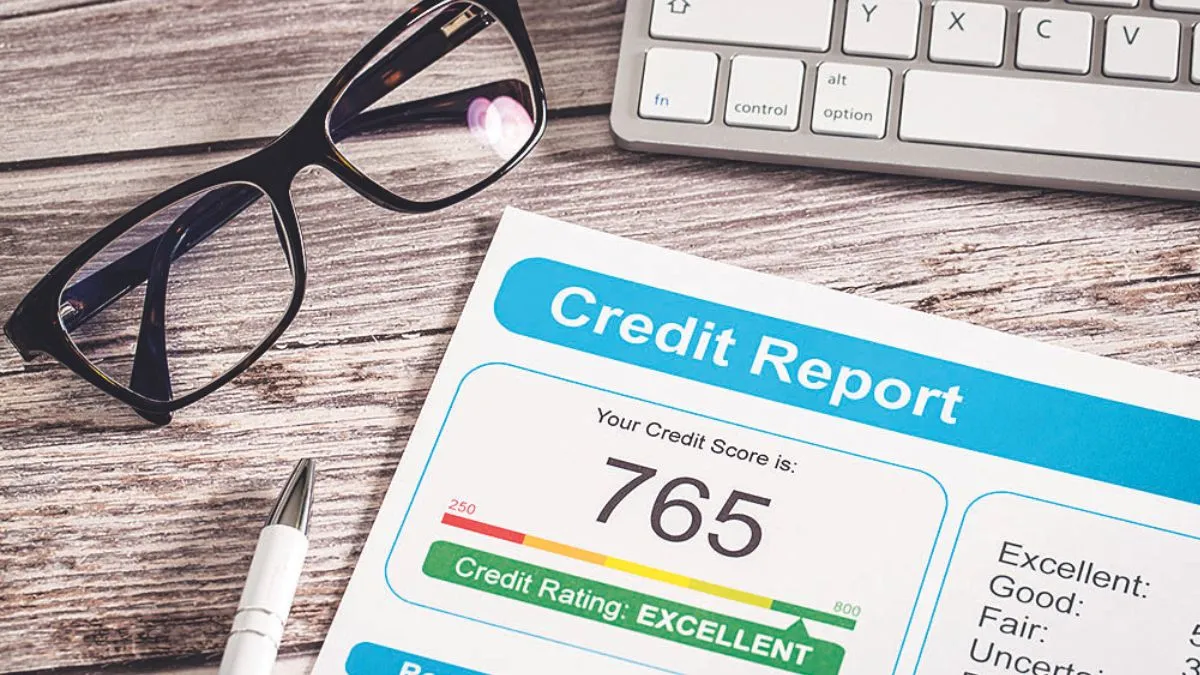
Ignoring your credit report is like neglecting a garden; without regular attention, it can quickly become overrun with weeds. Many individuals underestimate the importance of monitoring their credit history, believing that if they pay their bills on time, everything is fine. However, errors and fraudulent activities can slip through the cracks unnoticed, potentially leading to costly repercussions down the line. A single mistake on your report can lower your credit score significantly, affecting everything from loan approvals to interest rates.
Moreover, in an age where financial literacy is paramount, overlooking your credit report can hinder your ability to make informed financial decisions. Regularly reviewing your credit report allows you to track your financial health and understand how your actions impact your score. It provides insights into your spending habits, payment patterns, and even highlights areas for improvement. Taking a proactive approach empowers you to enhance your credit profile and seize better opportunities, whether it’s securing a favorable mortgage rate or qualifying for premium credit cards. In essence, embracing a routine check of your credit report isn’t just about safeguarding your current standing; it’s about cultivating a robust financial future.
Making Late Payments Consistently
Consistently making late payments can feel like a minor inconvenience, but the long-term repercussions on your credit score can be devastating. Each missed payment is reported to credit bureaus and can remain on your report for up to seven years, creating a ripple effect that impacts your ability to secure loans, rent apartments, or even land job opportunities. Beyond just the immediate financial penalties, late payments often lead to higher interest rates, which can further strain your budget and create a cycle of debt that’s hard to escape.
Understanding the psychology behind late payments is crucial. Many people underestimate the importance of timely payments, thinking they can simply catch up later. However, the reality is that life’s unpredictability can derail even the best intentions. By setting up automated payments or reminders, you can shift your mindset from reactive to proactive, effectively safeguarding your financial future. Additionally, seeking support or financial counseling can provide strategies to manage cash flow and prioritize obligations, ensuring that your credit score reflects your true financial reliability rather than a history of missed deadlines.
Maxing Out Credit Card Balances
Maxing out credit card balances can have a profound impact on your credit score, often more severe than many realize. When you utilize a significant portion of your available credit, it raises your credit utilization ratio—a key factor in determining your score. Ideally, keeping this ratio below 30% signals to lenders that you manage credit responsibly. However, pushing it to the limit can not only drop your score but also suggest financial instability, making you a less attractive candidate for loans or new credit.
Moreover, the psychological effects of maxing out cards can be just as damaging. It creates a cycle of stress and anxiety that can lead to further financial mismanagement. Instead of viewing credit as a tool for growth, individuals may feel trapped in a cycle of debt, leading to impulsive spending or avoidance of financial planning altogether. Understanding this relationship between credit utilization and overall financial health is crucial; by maintaining lower balances, not only do you safeguard your score, but you also promote a healthier financial mindset that encourages smart spending and saving habits.
Closing Old Credit Accounts Prematurely
Closing old credit accounts prematurely can seem like a smart move to simplify your finances, but it often comes with unintended consequences for your credit score. One of the key factors in determining your credit score is your credit history length. By closing an account that you’ve had for several years, you effectively shorten your credit history, which can lower your score. This is especially true if the account has a positive payment history, as it removes a valuable asset from your credit profile.
Moreover, older accounts contribute to your overall credit utilization ratio—the amount of credit you’re using compared to your total available credit. When you close an old account, your total available credit decreases, potentially increasing your utilization rate if you carry balances on other cards. This shift can signal to lenders that you might be at a higher risk of defaulting on loans. Instead of closing old accounts, consider keeping them open with minimal activity; even a small charge followed by timely payments can help maintain those accounts and bolster your credit score over time.
Applying for Too Much Credit Quickly
When consumers apply for multiple credit lines in a short period, it can trigger alarm bells for lenders and significantly impact their credit scores. Each application generates a hard inquiry, which can temporarily lower your score. While a single inquiry may only shave a few points off, several applications within a few months can accumulate to a more substantial drop. This is particularly detrimental for individuals looking to make significant purchases, such as a home or car, where a higher credit score can mean better interest rates.
Moreover, the perception of creditworthiness is influenced by the frequency of applications. Lenders often view rapid credit-seeking behavior as a sign of financial distress, raising red flags about an applicant’s ability to manage existing debt. It’s essential to approach credit applications strategically; consider spacing them out and conducting thorough research beforehand. By doing so, you not only protect your credit score but also position yourself as a more responsible borrower, enhancing your chances for approval and favorable terms when you do decide to apply.
Not Using Credit Responsibly
Not using credit responsibly can lead to a cascading effect on your financial health, starting with your credit score. Each missed payment or over-the-limit charge not only triggers late fees but also sends a red flag to credit bureaus. This is more than just a number; it shapes your ability to secure loans, rent apartments, and even land job opportunities. It’s often surprising how quickly a single misstep can alter the trajectory of your financial future.
Moreover, many people underestimate the impact of credit utilization—how much of your available credit you’re using at any given time. Keeping this ratio above 30% can signal to lenders that you might be overextending yourself financially. As you rack up high balances, not only does your credit score take a hit, but you may also find it increasingly difficult to manage monthly payments, leading to a vicious cycle of debt. Understanding these nuances helps demystify credit management, empowering individuals to take proactive steps toward improving their scores and securing their financial well-being.
Protecting Your Credit Score
Your credit score is more than just a number; it’s a key that unlocks financial opportunities, from securing favorable loan terms to renting your dream apartment. One often-overlooked aspect of protecting your credit score is understanding the impact of hard inquiries. While it’s tempting to shop around for the best mortgage rates or credit cards, multiple hard inquiries within a short time can signal risk to lenders. Consider consolidating your research into a focused timeframe, allowing you to minimize these inquiries while still finding the best deals.
Additionally, regular monitoring of your credit report can be a game-changer. Many people assume their credit is in good shape until they’re blindsided by an unexpected dip. By checking your report at least once a year, you can catch errors or fraudulent activity early on, which can save you from potential long-term damage. Furthermore, consider setting up alerts for significant changes in your credit profile; this proactive approach not only keeps you informed but also empowers you to take swift action if something seems amiss. Remember, safeguarding your credit score is not just about managing debt—it’s about being an informed consumer who actively participates in their financial journey.