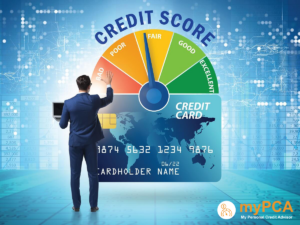

Did you know that a good credit score can save you thousands of dollars over your lifetime? It’s not just a number; it’s a key that unlocks financial opportunities and transforms your life in ways you might never have imagined. From securing lower interest rates on loans to increasing your chances of landing your dream apartment, understanding the power of a good credit score is essential in today’s financial landscape. In this article, we’ll explore how cultivating a strong credit profile can lead to significant life changes and provide actionable tips for boosting your score.
The Importance of a Good Credit Score
A good credit score serves as a financial passport, unlocking doors to opportunities that can significantly enhance your life. Beyond just qualifying for loans and credit cards, it can impact your insurance premiums, rental agreements, and even job prospects. Employers in certain industries often check credit scores as part of their hiring process, making it essential to maintain a healthy credit profile. Think of your credit score not just as a number, but as a reflection of your financial responsibility and trustworthiness.
Moreover, the ripple effect of a good credit score can lead to substantial savings over time. Lower interest rates on mortgages and car loans can result in thousands of dollars saved throughout the life of a loan. This financial leverage allows individuals to allocate funds towards investments or experiences that enrich their lives. Understanding how to build and maintain a solid credit score can empower you to take control of your financial future, turning potential obstacles into stepping stones for growth and success.
Understanding Credit Scores and Their Impact
Credit scores are often seen as mere numbers, but they represent a complex interplay of your financial behavior and decision-making. At their core, these scores reflect how reliably you manage debt and make payments. However, understanding the nuances behind these figures can empower you to take control of your financial future. For instance, did you know that even small, seemingly insignificant actions—like the frequency of credit inquiries or the age of your credit accounts—can significantly influence your score?
Moreover, the implications of your credit score extend far beyond loan approvals and interest rates. A high score can open doors to better insurance premiums, rental agreements, and even job opportunities in certain fields. Conversely, a lower score may lead to higher costs or limited options, creating a ripple effect that impacts not just your finances, but also your lifestyle choices. By cultivating healthy credit habits and regularly monitoring your score, you can navigate these waters more effectively and unlock a world of possibilities. Embracing this proactive approach to credit management is not just about achieving a number; it’s about building a foundation for long-term financial health and freedom.
Benefits of Home Ownership with Good Credit
Owning a home with good credit opens the door to a realm of financial advantages that can transform not just your living situation but your overall financial health. First and foremost, homeowners with strong credit scores often enjoy lower mortgage interest rates. This means that over the life of the loan, significant savings can accumulate, translating into lower monthly payments and more disposable income for investments or personal pursuits. Furthermore, a solid credit score can also pave the way for more favorable loan terms, such as reduced fees or the possibility of avoiding private mortgage insurance (PMI), which further enhances affordability.
Beyond immediate financial benefits, homeownership can serve as a powerful wealth-building tool. As property values generally appreciate over time, homeowners can build equity, creating a safety net for future endeavors like education or retirement. Additionally, owning a home fosters a sense of community and stability, which can lead to enhanced mental well-being. When you combine this emotional investment with the tangible financial rewards of homeownership, it becomes clear that maintaining good credit is not just about borrowing power; it’s about crafting a secure and prosperous future.
Lower Interest Rates on Loans and Mortgages
A good credit score can be a game-changer in today’s financial landscape, particularly when it comes to securing loans and mortgages. Lenders view high credit scores as a sign of reliability and low risk, which translates into lower interest rates. This reduction in rates not only makes monthly payments more manageable but can also save borrowers thousands over the life of the loan. Imagine the possibilities: with those savings, you could invest in home improvements, build an emergency fund, or even take that long-awaited vacation.
Moreover, the advantages of lower interest rates extend beyond immediate financial relief. They can significantly impact your overall financial health, allowing for faster debt repayment and greater financial flexibility. As economic conditions shift, having a good credit score can position you favorably to capitalize on refinancing opportunities, locking in even lower rates if the market allows. In an environment where every percentage point counts, maintaining a stellar credit score is not just about access; it’s about empowering your financial future and achieving your goals with confidence.
Easier Approval for Credit Cards and Loans
A solid credit score can be your golden ticket in the financial world, unlocking doors to easier approvals for credit cards and loans. Lenders view a high credit score as a sign of reliability, often leading to quicker processing times and less stringent requirements. This means that with a good credit score, you can bypass the lengthy documentation process that typically bogs down applicants with lower scores, allowing you to access funds when you need them most.
Moreover, having a strong credit history not only smoothens the approval journey but can also result in more favorable terms. Borrowers with excellent scores often enjoy lower interest rates and higher credit limits, translating into significant savings over time. This creates a positive feedback loop: as you manage your credit responsibly and maintain a high score, you gain access to better financial opportunities, making it easier to achieve larger goals like homeownership or funding education. Embracing this cycle of good credit management can truly empower your financial future.
Enhanced Employment Opportunities in Certain Fields
A strong credit score can be a surprising asset in the job market, particularly in fields where financial responsibility is paramount. Employers in sectors such as finance, insurance, and real estate often conduct credit checks as part of their hiring process. A solid credit history signals reliability and trustworthiness, qualities that are especially valued when dealing with sensitive financial information or high-stakes transactions. This not only enhances your candidacy but may also open doors to positions that require specialized financial expertise, giving you a competitive edge.
Moreover, certain industries are increasingly recognizing the link between personal financial health and professional performance. For example, roles in project management or executive leadership often require decision-making skills that hinge on sound judgment and fiscal prudence. Candidates with good credit scores may be perceived as more capable of managing budgets and resources effectively, leading to opportunities for advancement. As companies strive to build resilient teams, those with a proven track record of financial responsibility can find themselves at the forefront of recruitment efforts, positioning themselves for a bright future in their chosen careers.
Better Insurance Premiums and Rates
A good credit score is more than just a number; it’s a powerful tool that can unlock better insurance premiums and rates, often leading to significant savings over time. Insurers view your credit history as a reflection of your financial responsibility, which directly correlates to the likelihood of filing claims. Those with higher credit scores typically enjoy lower premiums, as they are seen as lower-risk clients. This relationship highlights the importance of maintaining a healthy credit profile—not just for securing loans or mortgages but also for protecting your wallet when it comes to insurance.
Moreover, the impact of your credit score on insurance rates is not uniform across all providers. Some companies weigh credit history more heavily than others, meaning shopping around can yield vastly different offers based on your credit profile. It’s essential to regularly check your credit report for inaccuracies and take steps to improve your score, such as paying bills on time and reducing debt. By doing so, not only do you enhance your chances of securing lower premiums, but you also cultivate long-term financial health that extends beyond insurance into other areas of your life. Investing in your credit can lead to a ripple effect of savings, making it a wise strategy for anyone looking to manage their expenses effectively.
How to Improve Your Credit Score
Improving your credit score is not just about paying off debts; it’s also about strategically managing your financial behavior. One effective approach is to become an authorized user on a family member’s credit card, especially if they have a solid payment history and low credit utilization. This can provide a significant boost to your score without the risks associated with taking on new debt yourself. However, it’s crucial to ensure that the primary cardholder maintains responsible credit habits, as their actions will directly impact your score.
Additionally, diversifying your credit mix can enhance your credit profile. If you currently rely solely on credit cards, consider adding an installment loan, such as a personal loan or a car loan, to show lenders that you can manage different types of credit responsibly. Just remember, each application for new credit can lead to a hard inquiry, so only pursue this strategy when it makes sense for your overall financial goals. Lastly, regularly reviewing your credit report for errors can uncover inaccuracies that may be dragging your score down. Addressing these discrepancies promptly can lead to a quick improvement, putting you one step closer to achieving that coveted good credit score.
Transforming Your Life with Credit
A good credit score can be a powerful catalyst for transforming your life in ways you may not have previously considered. Beyond simply qualifying for loans, it opens doors to better interest rates, which can save you thousands of dollars over time. Imagine being able to finance your dream home or secure that ideal vehicle with ease, all because you’ve cultivated a strong credit profile. It’s not just about numbers; it’s about the freedom and opportunities that come with financial stability.
Moreover, a solid credit score can enhance your lifestyle by providing access to premium credit cards with enticing rewards and benefits. These cards often come with perks like cash back on purchases, travel rewards, and even exclusive discounts at popular retailers. This means that not only are you able to make large purchases more easily, but you can also enjoy added value from everyday spending. Embracing the journey to improve your credit score is ultimately about reclaiming control over your financial future and unlocking potential you might not have thought possible.