
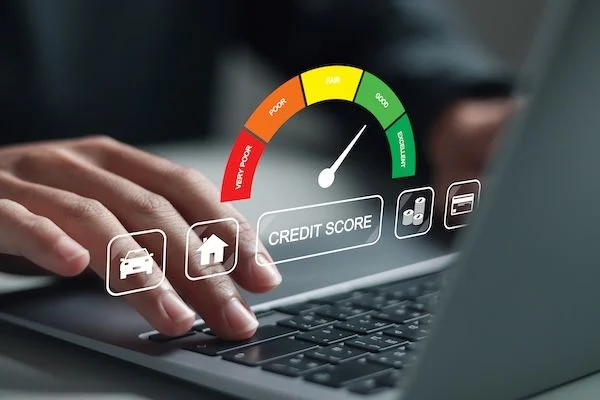
Achieving lifelong financial success requires more than earning a good income or building a savings account. One of the most powerful financial tools available to consumers is a strong credit profile. Credit influences many areas of life, including mortgage approvals, auto financing, insurance premiums, credit card offers, and even certain business opportunities. While many people focus on credit only when they need a loan, the most financially successful individuals understand that excellent credit is built through consistent habits and long-term planning. By following proven credit strategies, you can create a solid financial foundation that supports your goals for decades to come.
A healthy credit profile provides flexibility, reduces borrowing costs, and opens doors to opportunities that may otherwise be unavailable. Whether your goal is buying a home, starting a business, investing in real estate, or simply achieving greater financial freedom, strong credit can play a major role in your journey. The key is to develop sustainable habits that protect and strengthen your credit throughout every stage of life.
💳 Make On-Time Payments a Priority
Payment history is one of the most important factors influencing your credit profile. Consistently paying your bills on time demonstrates reliability and financial responsibility to lenders. Even a few missed or late payments can negatively impact your credit standing and make it more difficult to qualify for favorable financial products.
Creating automatic payments, setting reminders, and maintaining a monthly budget can help ensure that all obligations are paid promptly. Over time, a strong payment history builds trust with financial institutions and contributes significantly to long-term credit success. This simple habit remains one of the most effective strategies for achieving lasting financial stability.
📊 Keep Credit Utilization Low
Credit utilization refers to the percentage of your available credit that you are currently using. Maintaining low credit utilization demonstrates to lenders that you can manage credit responsibly without becoming overly dependent on borrowed funds.
Financial experts often recommend keeping utilization below 30% of your available credit limit, while even lower percentages can be more beneficial. Regularly paying down balances and avoiding excessive spending can help maintain a healthy utilization ratio. This strategy not only strengthens your credit profile but also encourages better financial discipline and spending habits.
💰 Build and Maintain an Emergency Fund
Unexpected expenses can arise at any time, from medical emergencies and vehicle repairs to temporary job loss and home maintenance issues. Without adequate savings, many people rely heavily on credit during difficult situations, which can lead to growing debt and financial stress.
An emergency fund acts as a financial safety net that helps you handle unforeseen expenses without damaging your credit profile. By maintaining several months of living expenses in savings, you reduce the likelihood of missed payments and excessive borrowing. Strong savings habits complement strong credit habits and contribute to long-term financial resilience.
🏦 Borrow Responsibly and Strategically
Credit should be viewed as a financial tool rather than an extension of income. Successful borrowers carefully evaluate every loan, credit card, or financing arrangement before taking on new debt. Responsible borrowing means understanding repayment obligations and ensuring that monthly payments fit comfortably within your budget.
Strategic borrowing can help you achieve important goals such as homeownership, education, business growth, and asset acquisition. However, borrowing beyond your means can create financial challenges that take years to overcome. Thoughtful borrowing decisions protect your credit profile and support sustainable financial success throughout life.
🛡️ Monitor and Protect Your Credit Regularly
Regular credit monitoring is essential for maintaining a healthy financial profile. Reviewing your credit reports helps you identify errors, track improvements, and detect signs of fraud or identity theft before they become serious issues.
Many consumers only check their credit when applying for financing, but proactive monitoring provides valuable insights into your financial health year-round. By addressing inaccuracies quickly and staying informed about account activity, you can protect the strong credit profile you have worked hard to build.
📈 Maintain Long-Term Credit Relationships
A longer credit history often strengthens your overall credit profile because it provides lenders with more information about your financial behavior over time. Maintaining older accounts in good standing demonstrates consistency and reliability.
Closing long-established accounts without a strong reason may reduce the average age of your credit history. Responsible management of long-term credit relationships can support stronger credit scores and improve your eligibility for future financial opportunities. Patience and consistency are valuable components of lifelong credit success.
🚀 Align Credit Goals With Financial Goals
Credit works best when it supports a broader financial strategy. Instead of focusing solely on improving a credit score, consider how strong credit can help you achieve larger objectives. Whether you plan to purchase a home, launch a business, invest in property, or prepare for retirement, your credit profile can play an important role.
Setting clear credit goals and aligning them with long-term financial aspirations helps create motivation and direction. As your financial circumstances evolve, your credit management strategy should evolve as well. Viewing credit as part of a larger financial plan helps maximize its value throughout your lifetime.
🌟 Develop Consistent Financial Habits
The most successful credit strategies are built on consistency. Small, positive financial actions repeated over many years often produce better results than occasional efforts to improve credit quickly. Budgeting responsibly, avoiding unnecessary debt, reviewing financial statements, and planning for future expenses all contribute to stronger financial health.
Consistency creates momentum and helps protect your credit profile during both prosperous and challenging financial periods. Developing disciplined habits today can lead to decades of financial opportunities, lower borrowing costs, and increased peace of mind.
✅ Conclusion
Lifelong financial success is built on a foundation of responsible credit management. By making on-time payments, maintaining low credit utilization, building emergency savings, borrowing strategically, monitoring your credit, preserving long-term accounts, and aligning credit goals with broader financial objectives, you can create a strong and resilient credit profile.
Excellent credit is more than just a number. It is a valuable financial asset that can help you save money, access better opportunities, achieve major life goals, and strengthen your overall financial future. With patience, discipline, and a commitment to these proven credit strategies, you can enjoy the benefits of strong credit and lasting financial success for years to come.