🛍️ What Are Store Credit Cards and How Do They Work?
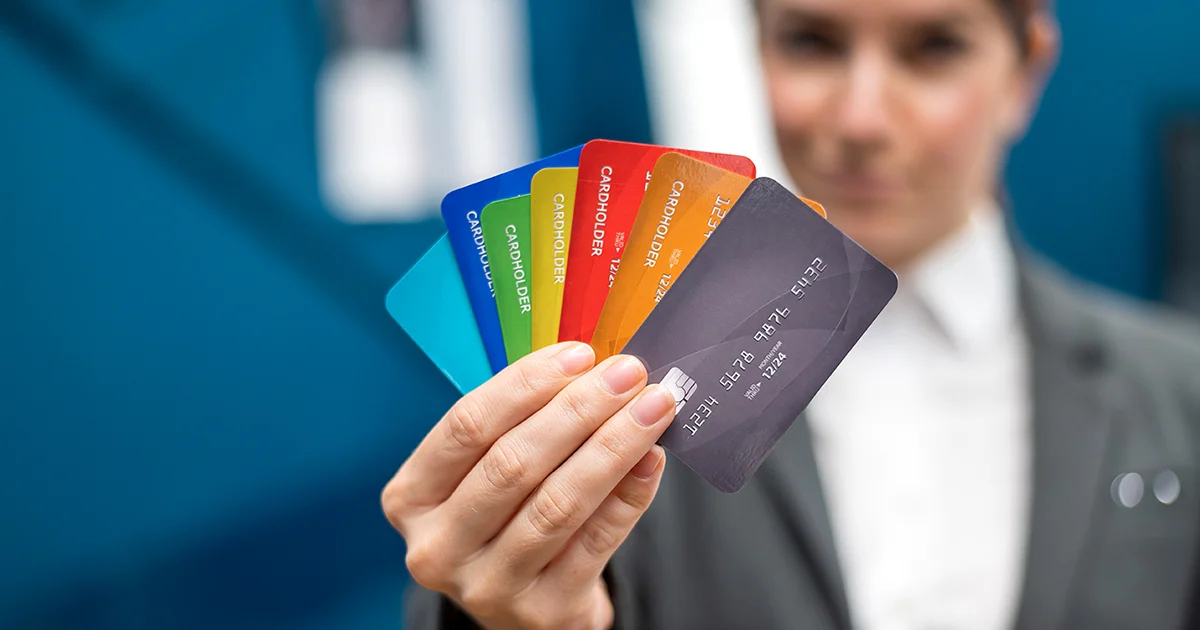
Store credit cards are financial tools offered by retailers to encourage customer loyalty and increase spending. These cards typically provide exclusive discounts, rewards points, and promotional financing options when used at the issuing store. They often come with perks like early access to sales or special financing on large purchases. However, they also have unique terms such as higher interest rates and limited usability outside the store network. Understanding how these cards function is essential before signing up because they can impact your credit score, monthly budget, and overall financial health.
✅ The Benefits: Discounts and Rewards
One of the biggest advantages of store credit cards is the immediate savings they offer. Many retailers provide sign-up bonuses, such as 10–20% off your first purchase, and ongoing perks like cashback or reward points. These benefits can add up quickly for loyal customers, making store cards an attractive option for those who shop regularly at the same retailer. Additionally, some cards offer exclusive access to sales events and financing deals, which can help you manage large purchases more easily. For frequent shoppers, these rewards can translate into significant annual savings.
⚡ Building Credit History
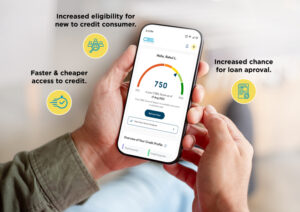
Store credit cards can be a stepping stone for individuals looking to build or improve their credit history. When used responsibly—by making timely payments and keeping balances low—they can positively impact your credit score. This is especially helpful for those with limited credit experience, as store cards often have more lenient approval requirements compared to traditional credit cards. However, it’s important to remember that missed payments or high utilization can quickly damage your score. Responsible use is key to turning a store card into a credit-building tool.
💰 The Drawbacks: High Interest Rates
While store credit cards offer attractive perks, they often come with significantly higher interest rates than standard credit cards. If you carry a balance, these rates can lead to substantial interest charges, negating any rewards or discounts you’ve earned. Promotional financing offers may seem appealing, but failing to pay off the balance within the promotional period can result in retroactive interest charges. To avoid these pitfalls, always pay your balance in full each month. Otherwise, the cost of interest can far outweigh the benefits of rewards.
🔍 Limited Usability Outside the Store
Unlike general-purpose credit cards, store credit cards are usually restricted to purchases at the issuing retailer or its affiliates. This limitation reduces their overall flexibility and makes them less practical for everyday expenses. If you’re looking for a card that offers rewards on groceries, gas, or travel, a store card may not be the best choice. Consider your spending habits before committing to a card that only benefits you in specific scenarios. For most consumers, a store card works best as a secondary card rather than a primary payment method.
🛡️ Impact on Your Credit Score
Applying for a store credit card results in a hard inquiry on your credit report, which can temporarily lower your score. Opening multiple store cards in a short period can amplify this effect and signal risk to lenders. Additionally, store cards often have low credit limits, which can increase your credit utilization ratio if you carry balances. Responsible management is key—keep utilization low and avoid unnecessary applications to protect your credit health. Always monitor your credit report to ensure your store card activity is helping, not hurting, your score.
✅ Are Store Credit Cards Worth It?
The answer depends on your shopping habits and financial discipline. If you frequently shop at a particular retailer and can pay off your balance in full each month, a store credit card can provide valuable savings and rewards. However, if you’re prone to carrying balances or prefer flexibility, the high interest rates and limited usability may outweigh the benefits. Evaluate your goals, spending patterns, and ability to manage credit responsibly before making a decision. For disciplined shoppers, store cards can be a smart way to save money—but only if used wisely.
;