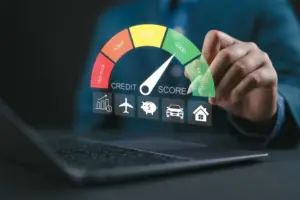

Did you know that nearly 80% of Americans are unaware of how their credit information is shared? Understanding the intricacies of credit reporting is crucial, especially in a world where financial decisions can significantly impact your future. In this article, we’ll delve into the obligations of credit companies regarding your personal information and explore why knowing these details matters for your financial health. By the end, you’ll be equipped with essential insights to better manage your credit and protect your privacy.
Introduction to Credit Information Sharing
Credit information sharing is a transformative practice that enhances the financial landscape by promoting transparency and trust between lenders and borrowers. In an era where access to credit can determine economic mobility, sharing credit data allows financial institutions to make informed decisions, thereby reducing risks associated with lending. This not only facilitates the approval process for consumers but also fosters healthier competition among lenders, encouraging them to offer better terms and rates to attract responsible borrowers.
Moreover, credit information sharing is pivotal in expanding financial inclusion, particularly for those historically marginalized from mainstream banking systems. By leveraging alternative data sources—such as utility payments or rent history—lenders can gain a more holistic view of a borrower’s creditworthiness. This shift not only empowers individuals with limited credit histories but also drives innovation in financial products tailored to diverse needs. As we move forward, the evolution of credit information sharing will likely redefine how we perceive risk and reward in the lending ecosystem, creating pathways for economic growth and stability for all.
Understanding Credit Companies’ Obligations
Credit companies play a crucial role in the financial ecosystem by collecting and sharing credit information, but they are bound by specific obligations that ensure this process remains transparent and fair. One of their primary responsibilities is to adhere to the Fair Credit Reporting Act (FCRA), which mandates accuracy, privacy, and accountability in reporting. This law empowers consumers to dispute inaccuracies and requires credit companies to investigate these claims diligently, reinforcing the notion that consumers have a right to an accurate credit history.
Moreover, credit companies are also tasked with safeguarding sensitive information against breaches and unauthorized access. With the rise of digital data sharing, maintaining robust security measures is not just a regulatory requirement but a moral obligation to protect individuals’ financial identities. As consumer awareness grows, many are now demanding greater transparency regarding how their information is shared, leading to calls for credit companies to provide clearer insights into their data-sharing practices. This shift presents an opportunity for these companies to enhance trust and build stronger relationships with consumers by prioritizing ethical information sharing and actively engaging them in the conversation about their credit profiles.
The Role of Consumer Consent
Consumer consent to credit information sharing is not just a regulatory formality; it’s a crucial pillar of trust in the modern financial landscape. As data breaches and privacy concerns dominate headlines, consumers are increasingly aware of how their credit information is utilized. This awareness empowers them to make informed choices about which financial institutions they engage with, fostering a more transparent relationship between lenders and borrowers. By actively choosing to share their credit information, consumers can not only enhance their borrowing opportunities but also play a role in shaping the practices of financial institutions.
Moreover, the implications of consent extend beyond individual transactions. When consumers opt into credit information sharing, they contribute to the broader ecosystem of data-driven decision-making that benefits both lenders and borrowers. For instance, a robust dataset allows for more accurate risk assessments, leading to fairer interest rates and personalized loan products. This reciprocity enhances financial inclusion by allowing previously underserved populations access to credit based on their real financial behavior rather than outdated stereotypes or assumptions. As consumers reclaim ownership over their data, they become integral players in the evolution of credit markets, encouraging innovation and ethical lending practices.
Federal Laws Regulating Information Sharing
The landscape of information sharing in the realm of credit is heavily influenced by federal laws designed to protect consumer privacy while fostering transparency in lending practices. The Fair Credit Reporting Act (FCRA) stands at the forefront, regulating how consumer credit information is collected, shared, and utilized. This law not only empowers consumers with rights to access their credit reports but also mandates that credit reporting agencies ensure the accuracy of the information they provide. However, as data breaches become increasingly common, the need for robust enforcement of these regulations becomes paramount, highlighting a gap between legal frameworks and practical protections.
Furthermore, the Gramm-Leach-Bliley Act (GLBA) plays a crucial role by requiring financial institutions to establish privacy policies that inform consumers about how their personal information is shared. This legislation fosters a culture of transparency, yet many consumers remain unaware of their rights under these laws. By enhancing public awareness and understanding of these regulations, stakeholders can encourage a more informed populace that actively engages with their credit health. As technology evolves and financial products diversify, the challenge remains: how can we adapt these laws to ensure they keep pace with innovations while safeguarding consumer rights? The conversation around information sharing must evolve from mere compliance to a proactive approach that prioritizes consumer empowerment and trust in the financial system.
How Your Information Is Used
Your personal information is a powerful currency in the financial world, especially when it comes to credit. Every time you apply for a loan or a credit card, your data is scrutinized, not just for your creditworthiness but also for patterns that can inform lenders about broader economic trends. This shared information helps financial institutions gauge risk and tailor their offerings. However, this practice raises questions about privacy and the ethical use of data. Are we fully aware of who has access to our information and how it might be used against us?
Moreover, with the rise of technology and big data analytics, your information is being aggregated and analyzed in ways that extend beyond traditional credit assessments. Lenders are increasingly utilizing alternative data sources—such as utility payments and even social media activity—to paint a more comprehensive picture of your financial behavior. While this can provide opportunities for those with limited credit histories, it also blurs the lines of consent and transparency. It’s crucial for consumers to understand that every piece of information shared can influence not just individual credit scores but also market dynamics and lending practices at large. As we navigate this evolving landscape, staying informed and advocating for data protection becomes imperative for safeguarding our financial futures.
Consequences of Information Misuse
The misuse of information in the realm of credit information sharing has far-reaching consequences that extend beyond immediate financial repercussions. When sensitive data is mishandled, individuals may find themselves grappling with identity theft, which not only damages their credit scores but also erodes their trust in financial institutions. This erosion of trust can lead to a reluctance to engage in necessary transactions, such as applying for loans or mortgages, stifling economic mobility and growth.
Moreover, the impact of information misuse can ripple through the broader economy. When consumers are hesitant to share their credit information due to fears of misuse, lenders face increased risks and uncertainties in underwriting processes. This can lead to tighter lending standards, making it more challenging for responsible borrowers to access credit. The result is a paradox where the very systems designed to facilitate economic activity become barriers, ultimately hindering innovation and entrepreneurship. The stakes are high; addressing information misuse is not just about protecting individuals but fostering a robust and trustworthy credit ecosystem that benefits everyone.
Your Rights Under Privacy Regulations
Understanding your rights under privacy regulations regarding credit information sharing is essential in today’s data-driven world. The Fair Credit Reporting Act (FCRA) is a key piece of legislation that empowers consumers by granting them the right to access their credit reports and dispute inaccuracies. This means you can take control of your financial narrative; if you spot an error, you have the legal backing to demand corrections, ensuring your creditworthiness is accurately represented.
Moreover, privacy regulations require that companies obtain your consent before sharing your credit information with third parties. This puts you in the driver’s seat, allowing you to choose who gets access to your financial data. Additionally, many states have enacted stricter laws that go beyond federal requirements, giving you even more tools to protect your personal information. By staying informed and proactive about these rights, you can better navigate the complex landscape of credit reporting and safeguard your financial future against unauthorized use or breaches.
Tips for Protecting Your Information
In today’s digital age, safeguarding your personal information has never been more crucial, especially when it comes to credit information sharing. One of the most effective strategies is to regularly monitor your credit reports from major bureaus. This not only helps you spot any inaccuracies or unauthorized activities but also empowers you to take action swiftly if something seems amiss. Utilize services that alert you to changes in your credit file; early detection can be your best ally against identity theft.
Another key tip is to enhance your online security by employing multifactor authentication (MFA) wherever possible. MFA adds an extra layer of protection beyond just a password, making it significantly harder for unauthorized users to gain access to your accounts. Additionally, consider using a password manager to generate and store complex passwords, ensuring that each account has a unique combination that is difficult to guess. Lastly, remain cautious about sharing personal information on social media platforms; even seemingly innocuous details can be pieced together to compromise your identity. By adopting these proactive measures, you can create a formidable defense against potential threats to your credit information.
Navigating Credit Information Sharing
Navigating credit information sharing can feel like traversing a labyrinth, especially in an era where data privacy is paramount. One of the most significant shifts in recent years has been the rise of open banking initiatives, which empower consumers to take control of their financial data. By allowing third-party providers access to their credit information, individuals can unlock tailored financial products and services that better meet their unique needs. This not only enhances consumer choice but also fosters a more competitive financial landscape, compelling traditional banks to innovate or risk losing clients.
However, this empowerment comes with its own set of challenges. Consumers must remain vigilant about who they share their information with and understand the implications of doing so. The key lies in building a foundation of trust with financial institutions and fintech companies, ensuring that data is handled transparently and ethically. As we move forward, educating consumers on the intricacies of credit information sharing will be crucial—enabling them to harness its benefits while safeguarding their privacy and financial well-being. Embracing this delicate balance can lead to a more informed and empowered consumer base, ultimately reshaping the future of personal finance.