📉 Starting at Rock Bottom: Understanding the 500 Score
A credit score of 500 is often considered a challenging starting point, reflecting past financial struggles such as missed payments, high debt levels, or accounts in collections. At this stage, access to favorable financial opportunities is extremely limited, and even basic credit approvals can become difficult. However, it’s important to understand that this number is not permanent—it is simply a snapshot of past behavior, not a prediction of future potential. Many individuals find themselves in this situation due to unexpected circumstances like medical expenses, job loss, or lack of financial awareness. Recognizing the reasons behind the low score is the first step toward improvement, as it allows you to take responsibility and begin a structured plan to rebuild credit over time.
🧠 Changing the Mindset: The Turning Point
The journey from 500 to 750 begins with a shift in mindset, moving from reactive financial behavior to proactive and disciplined decision-making. Instead of looking for quick fixes or shortcuts, individuals who successfully rebuild their credit understand the value of consistency and patience. This phase often includes educating oneself about how credit scores work, identifying harmful habits, and committing to long-term financial health. It’s about developing a clear plan, setting realistic goals, and staying motivated even when progress feels slow. This mental shift becomes the foundation for all future actions, as a strong mindset is essential for making better financial choices consistently.
💳 Building Positive Payment History
One of the most critical steps in improving a credit score is establishing a consistent record of on-time payments. Payment history is the most influential factor in credit scoring, and even small improvements in this area can make a noticeable difference over time. Individuals in this comeback journey often start by catching up on overdue accounts and ensuring that all current bills—credit cards, utilities, and loans—are paid on or before their due dates. Setting up automatic payments or reminders can help maintain consistency. Over several months, these positive actions begin to outweigh past negatives, showing lenders that financial habits have improved and reliability has been restored.
📊 Reducing Debt and Managing Credit Utilization
Another major milestone in this journey is reducing overall debt and keeping credit utilization low. High balances relative to credit limits can significantly impact a score, even if payments are made on time. By gradually paying down debts and avoiding unnecessary spending, individuals can lower their utilization ratio, which positively affects their credit profile. This process requires discipline and budgeting, often involving prioritizing high-interest accounts first. As balances decrease, credit scores begin to rise steadily. This stage highlights the importance of not just managing payments but also controlling how much credit is being used at any given time.
🔄 Rebuilding with Smart Credit Use
As credit improves, individuals often begin reintroducing new lines of credit in a responsible manner. This could include secured credit cards or small loans designed to help rebuild credit. The key is to use these tools wisely—making small purchases and paying them off in full each month. This demonstrates responsible credit behavior and adds positive activity to the credit report. Over time, these accounts contribute to a stronger and more diverse credit profile. Smart use of credit shows lenders that past mistakes have been corrected and that the borrower can now manage credit effectively.
⏳ The Role of Time and Consistency
One of the most important aspects of moving from a 500 to a 750 credit score is time. There is no instant solution, as credit improvement happens gradually through consistent positive actions. Negative marks such as late payments or collections may take time to fade in impact, but as new, positive behavior is added, their influence decreases. Staying committed to good habits over months and years is what ultimately drives significant improvement. This phase requires patience and persistence, as progress may not always be immediately visible, but each positive step contributes to long-term success.
🌟 Reaching 750: Opportunities and Financial Freedom
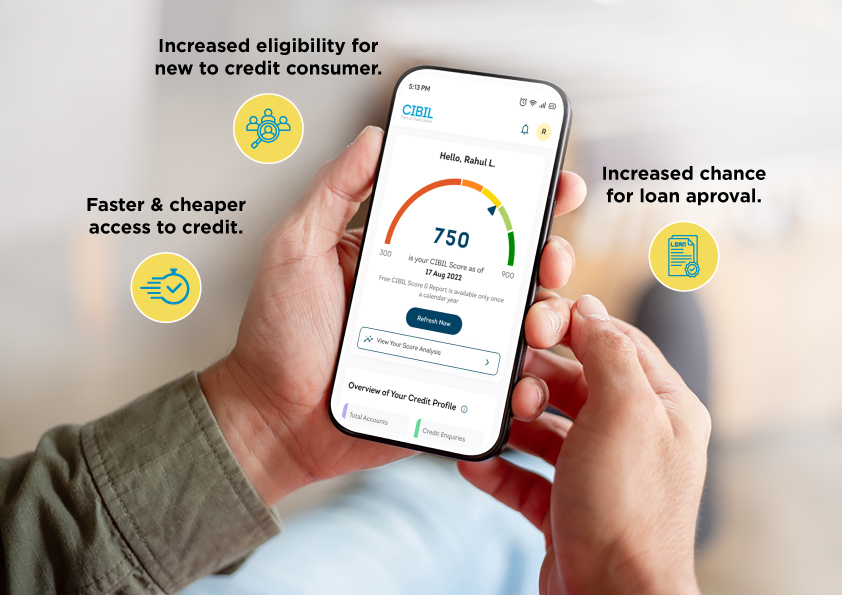
Achieving a 750 credit score is a major accomplishment that opens the door to a wide range of financial opportunities. Individuals at this level are often eligible for better loan terms, lower interest rates, higher credit limits, and premium financial products. More importantly, it represents a transformation in financial behavior and responsibility. The journey from 500 to 750 is not just about improving a number—it is about building discipline, confidence, and long-term stability. By maintaining these habits, individuals can continue to enjoy the benefits of strong credit and secure a more stable financial future, proving that with the right approach, a complete credit comeback is entirely possible.