
💳 Understanding How Buy Now Pay Later Really Works
Buy Now Pay Later (BNPL) programs have exploded in popularity, offering shoppers the ability to split purchases into smaller, manageable payments without using traditional credit cards. These services appeal especially to younger consumers who want flexibility, fast approvals, and transparent installment plans. Behind the scenes, however, BNPL platforms operate differently from conventional lenders. Some conduct soft credit checks, some perform no checks at all, and others report selectively to credit bureaus. This inconsistency can lead to confusion about how BNPL affects your credit profile. While BNPL can feel like an easy way to manage purchases, it’s important to recognize that it still represents a financial obligation—one that can help or hurt your credit, depending on how you use it.
🧠 Do BNPL Programs Affect Your Credit Score?
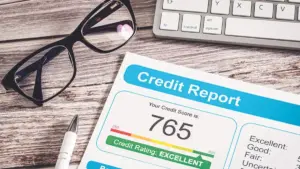
The impact of BNPL on your credit score depends entirely on the provider and how they report data. Many BNPL companies currently do not report on-time payments to major credit bureaus, meaning responsible borrowers don’t necessarily benefit from improved scores. However, missed payments or unpaid balances may be reported, damaging your credit. As BNPL services continue to grow and integrate into traditional financial systems, more companies are beginning to experiment with full credit reporting. This means your repayment habits could play a much larger role in shaping your credit future. Because policies vary by provider, borrowers should treat BNPL with the same level of caution as traditional credit lines.
🔍 Missed Payments and Their Hidden Consequences
Even though BNPL platforms are marketed as low-risk and consumer-friendly, missing payments can have serious consequences. Some BNPL companies do not report late payments immediately, but if the balance goes unpaid long enough, they may send it to collections. Once a debt is in collections, it can severely damage your credit score and stay on your report for up to seven years. Late payments may also result in account restrictions, late fees, or the inability to continue using the service. The ease of enrollment and frequent promotional messages can lull users into a false sense of security, making it easy to overlook due dates. Understanding the seriousness of missed payments is essential for protecting your credit health.
📊 How BNPL Affects Your Credit Utilization and Debt Load
Unlike credit cards, BNPL lines often do not appear on your credit report, which means they usually don’t impact your credit utilization ratio directly. But this does not mean they are harmless. BNPL installments add to your overall monthly financial obligations, and if you juggle multiple BNPL purchases simultaneously, your budget can become strained quickly. Even though this debt may be “invisible” to credit bureaus, it still affects your financial stability. Overcommitting to BNPL payments can cause domino effects, such as missed credit card payments or overdue bills, which directly hurt your credit. Treat BNPL obligations like any other form of debt and ensure they fit comfortably within your spending plan.
⚠️ The Psychological Trap of Easy Payments
One of the biggest risks of BNPL is psychological rather than financial. The ability to break purchases into smaller payments encourages impulse buying and overspending. Shoppers may purchase items they cannot truly afford simply because the immediate upfront cost seems low. With multiple BNPL accounts active at once, consumers can quickly lose track of their obligations. Unlike credit cards—which consolidate purchases into a single monthly statement—BNPL platforms may require users to monitor various apps, due dates, and schedules. This fragmentation can lead to confusion, missed payments, and added stress. Understanding how your spending behavior changes when using BNPL is vital to staying financially healthy.
🧩 BNPL and Long-Term Financial Planning
BNPL programs can either support or undermine long-term financial goals, depending on how they are managed. For financially disciplined users, BNPL can offer a predictable and interest-free way to budget for essential purchases. However, because most BNPL providers do not report positive payment history, these programs rarely help users build or strengthen their credit profile. This creates a long-term challenge: consumers who rely heavily on BNPL may struggle later when applying for major loans such as mortgages or auto financing. On the flip side, irresponsible use of BNPL can actively damage credit scores through late payments or collections. To ensure BNPL aligns with your financial future, it should be used strategically—not as a primary way to manage spending.
✅ Smart Strategies for Using BNPL Without Hurting Your Credit
To safely use BNPL programs, approach them with the same mindset you would use for any credit product. Track all installment plans in one place, set reminders for upcoming payments, and avoid using multiple BNPL providers simultaneously. Always read the terms and conditions to understand potential late fees, credit checks, or reporting practices. If building credit is a priority, consider supplementing BNPL usage with traditional credit tools, such as secured cards or credit-builder loans. The goal is to use BNPL as a budgeting convenience—not as a substitute for financial discipline. With careful management, you can enjoy the flexibility of BNPL without compromising your credit score.