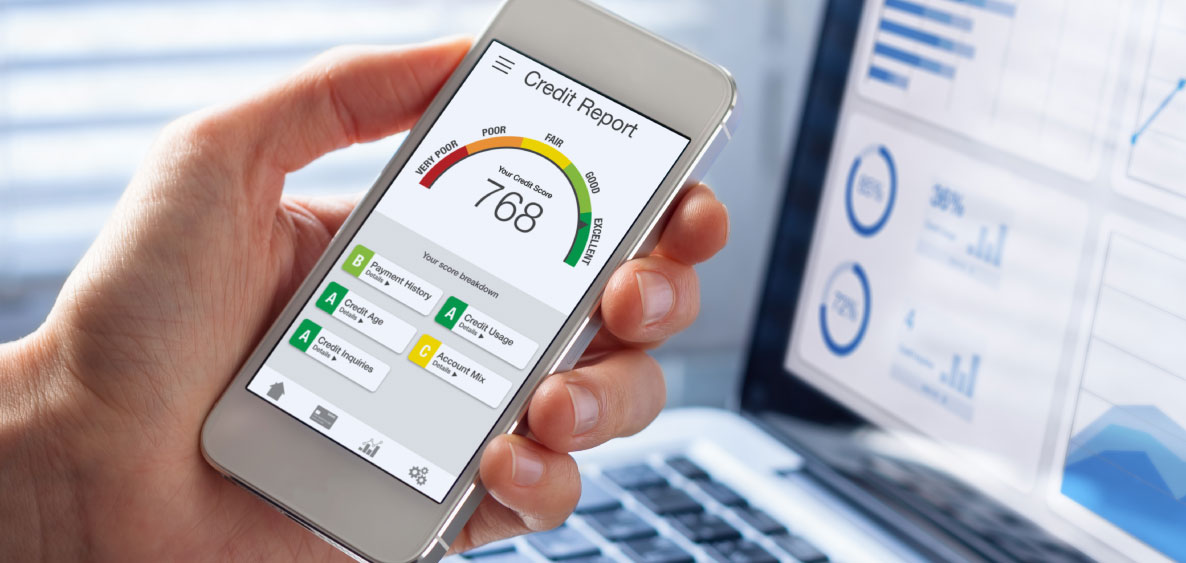
Your credit score is a vital part of your financial identity. It influences your ability to secure loans, rent property, obtain insurance, and even get hired for certain jobs. But in today’s digital age, identity theft is a growing threat that can severely damage your credit profile. Criminals who gain access to your personal information can open fraudulent accounts, rack up debt in your name, and leave you with the burden of repairing your credit. Protecting your credit score from identity theft is not just about being cautious—it’s about being proactive. Here’s how you can safeguard your financial reputation with smart strategies and the right tools.
🧠 Understand the Impact of Identity Theft on Your Credit Score
Identity theft can wreak havoc on your credit score in a matter of days. When someone steals your personal information—such as your Social Security number, bank account details, or credit card information—they can open new accounts, make unauthorized purchases, and default on payments. These actions are recorded on your credit report and can cause your score to plummet. Even if you catch the fraud early, it can take months to dispute the charges, close the accounts, and restore your credit. That’s why understanding how identity theft affects your credit is the first step toward protecting it.
📊 Monitor Your Credit Reports and Scores Regularly
One of the most effective ways to detect identity theft early is by monitoring your credit reports and scores. You’re entitled to one free credit report per year from each of the three major credit bureaus—Equifax, Experian, and TransUnion—through https://www.annualcreditreport.com. Review these reports for unfamiliar accounts, incorrect personal information, or unauthorized inquiries. Additionally, consider subscribing to a credit monitoring service that sends real-time alerts when changes occur in your credit file. These tools can notify you immediately if someone tries to open a new account or if your score drops unexpectedly, allowing you to take swift action.
🔐 Use Strong Passwords and Enable Two-Factor Authentication
Your online accounts are gateways to your personal and financial information. Weak passwords and unsecured logins make it easier for hackers to gain access. Use complex passwords that include a mix of uppercase and lowercase letters, numbers, and special characters. Avoid using the same password across multiple platforms. Enable two-factor authentication (2FA) wherever possible, especially for banking, email, and credit card accounts. 2FA adds an extra layer of security by requiring a second form of verification, such as a text message or authentication app, making it significantly harder for cybercriminals to breach your accounts.
📦 Consider Freezing Your Credit
If you’re concerned about identity theft or want to prevent unauthorized access to your credit, consider placing a credit freeze. A freeze restricts access to your credit report, making it nearly impossible for identity thieves to open new accounts in your name. You can freeze your credit for free by contacting each of the three major credit bureaus. While a freeze doesn’t affect your credit score, it does require you to temporarily lift it if you’re applying for new credit. It’s a powerful tool for long-term protection and is especially useful if you’ve been a victim of identity theft or data breaches.
🛡️ Be Cautious with Sharing Personal Information
Identity thieves often use phishing emails, fake websites, and phone scams to trick you into revealing sensitive information. Never share your Social Security number, bank details, or login credentials unless you’re absolutely sure of the recipient’s identity. Be wary of unsolicited calls or emails asking for personal data. Shred documents that contain financial information before discarding them, and avoid posting personal details on social media that could be used to guess security questions or passwords. Practicing caution with your personal information is one of the simplest yet most effective ways to prevent identity theft.
📱 Secure Your Devices and Internet Connections
Your smartphone, tablet, and computer store a wealth of personal data. Keep your devices updated with the latest security patches and antivirus software. Avoid using public Wi-Fi for financial transactions or accessing sensitive accounts. If you must use public networks, consider installing a virtual private network (VPN) to encrypt your data. Also, enable device encryption and use biometric authentication where available. Securing your devices and internet connections is essential to prevent unauthorized access and protect your digital footprint.
📈 Respond Quickly to Suspicious Activity
If you notice suspicious activity on your credit report or receive alerts from your bank or credit monitoring service, act immediately. Contact the affected financial institution to report the fraud, file a report with the Federal Trade Commission (FTC) at https://www.identitytheft.gov, and place a fraud alert on your credit reports. A fraud alert notifies lenders to take extra steps to verify your identity before issuing credit. Keep detailed records of all communications and steps taken to resolve the issue. The faster you respond, the easier it is to contain the damage and begin the recovery process.