
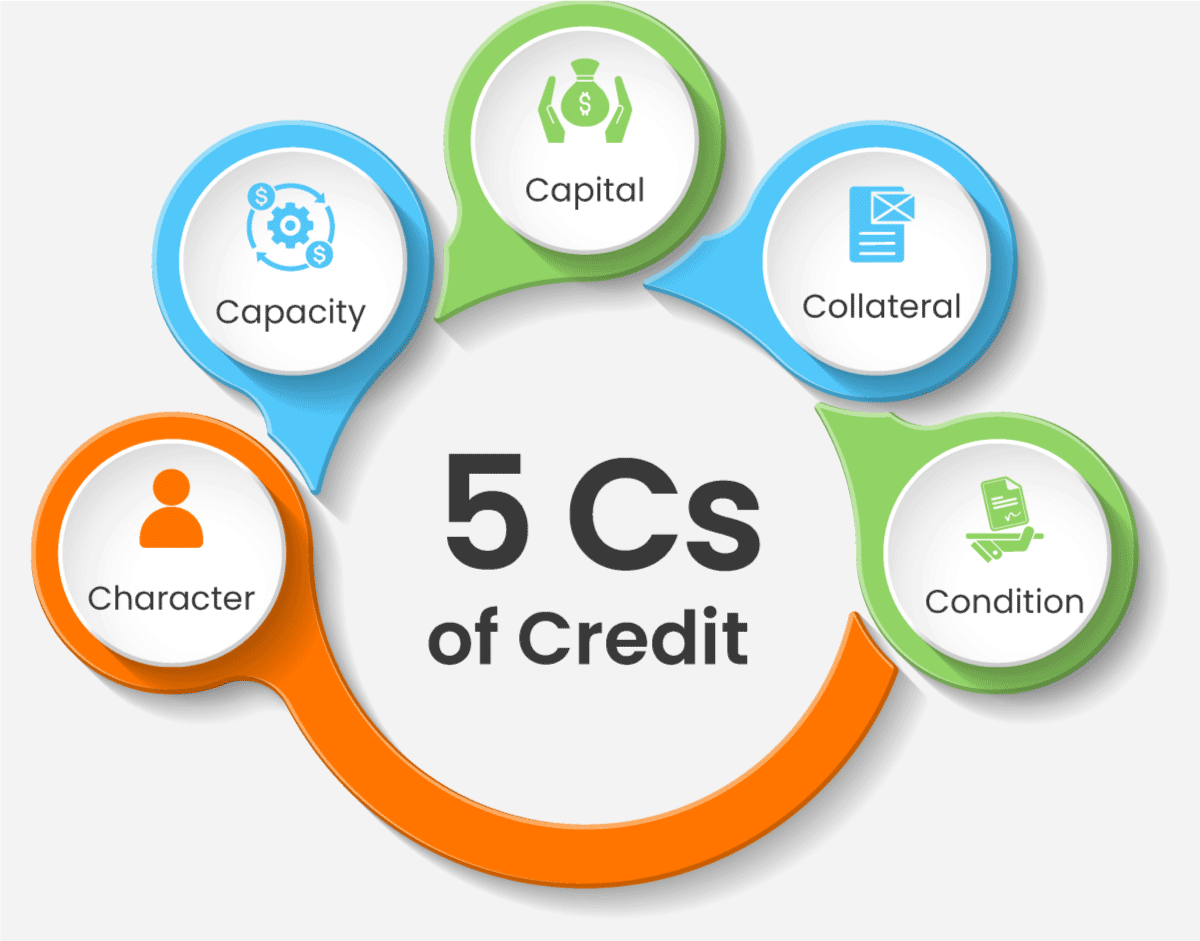
Did you know that your credit score could be hiding secrets that could save you thousands on loans? While most people are familiar with the basics of credit scores, there are five critical components—often overlooked—that play a significant role in determining your financial health. Understanding these hidden 5 C’s can empower you to make informed decisions, whether you’re applying for a mortgage or considering a new credit card. In this article, we’ll uncover these essential factors and reveal how mastering them can dramatically improve your financial future.
Introduction to Credit Scores and Their Importance
Credit scores often seem like an enigma, but understanding them is crucial for anyone navigating the financial landscape. While most people are aware of the traditional factors like payment history and credit utilization, there are five hidden “C’s” that can significantly impact your score: character, capacity, collateral, conditions, and capital. These elements delve deeper into the nuances of your financial behavior and stability, offering lenders a more comprehensive view of your creditworthiness beyond just numbers.
Character reflects your reliability as a borrower—essentially, it’s your reputation in the eyes of lenders. Capacity assesses your ability to repay debt based on income and existing obligations, highlighting the importance of living within your means. Collateral refers to assets you might pledge against loans, which can enhance your borrowing potential. Understanding these hidden C’s not only empowers you to improve your credit score but also helps you make informed financial decisions. By acknowledging these factors, you can approach credit with a newfound strategy, transforming your financial journey from a mere chase for high scores to a holistic understanding of your economic health.
The First C: Character in Creditworthiness
Character, the first C in creditworthiness, represents the intangible qualities that define a borrower’s reliability and integrity. Lenders assess character through credit history, which reflects not only past payment behaviors but also the overall financial responsibility of an individual. This aspect goes beyond mere numbers; it encompasses the borrower’s commitment to honoring debts, their communication with creditors, and their financial decision-making patterns.
Interestingly, character can also be influenced by external factors such as social relationships and community engagement. A borrower who actively participates in their community or maintains stable employment may exhibit a stronger sense of accountability, which lenders find appealing. Moreover, character assessments can sometimes reveal resilience—how individuals have navigated financial challenges in the past. This perspective encourages lenders to view potential borrowers not just as data points but as stories of growth and recovery, ultimately fostering a more holistic approach to creditworthiness. In an era where financial literacy is increasingly emphasized, recognizing the importance of character can lead to more inclusive lending practices, allowing diverse narratives to emerge from behind traditional credit scores.
The Second C: Capacity to Repay Loans
When assessing a borrower’s creditworthiness, the capacity to repay loans emerges as a pivotal factor that goes beyond mere numbers. Lenders dive deep into a borrower’s income stability, debt-to-income ratio, and overall financial behavior. This nuanced evaluation reveals a story—one that not only highlights current financial obligations but also illustrates how well a borrower can manage unexpected expenses or economic downturns. For example, an individual with a fluctuating income may still demonstrate strong repayment capacity through diligent budgeting and savings practices, showcasing resilience that traditional metrics might overlook.
Moreover, the concept of capacity is evolving with the rise of alternative data sources. Lenders are increasingly considering factors such as payment history on utilities, rent, and even subscription services as indicators of reliability. This shift opens doors for individuals who may have been previously marginalized by conventional credit scoring systems. By broadening the scope of what constitutes financial responsibility, lenders can tap into a more diverse pool of borrowers, fostering inclusivity in access to credit while also enhancing the overall lending landscape. The future of evaluating capacity to repay loans is not just about numbers; it’s about understanding the full financial narrative behind each borrower.
The Third C: Capital and Financial Stability
Capital is the lifeblood of financial stability, intricately linked to an individual’s credit score. When we think of capital, we often envision a robust bank account or assets that can be liquidated in times of need. However, the true essence of capital extends beyond mere numbers; it embodies the trustworthiness and reliability a person demonstrates in managing their financial commitments. A strong credit score acts as a gateway to better financial opportunities—be it securing favorable loan terms or accessing higher credit limits—which ultimately enhances one’s capital base.
Moreover, understanding the interplay between capital and credit scores reveals a nuanced landscape where informed financial decisions can lead to long-term stability. For instance, individuals who proactively monitor and manage their credit scores are more likely to make investments that yield higher returns. This proactive approach not only nurtures their capital but also fortifies their financial resilience against unforeseen challenges, such as job loss or medical emergencies. In this context, cultivating a healthy credit score becomes not just a means to access funds, but a critical strategy for building and preserving capital over time, paving the way for sustainable financial well-being.
The Fourth C: Collateral for Secured Loans
Collateral plays a pivotal role in the landscape of secured loans, acting as a safety net for lenders and a leverage point for borrowers. By offering tangible assets—be it real estate, vehicles, or even savings accounts—you not only enhance your chances of loan approval but also potentially secure more favorable interest rates. This symbiotic relationship transforms the often-daunting world of borrowing into a more approachable and structured endeavor.
Furthermore, the type and value of collateral can significantly influence your credit experience. For example, high-value assets may afford you a larger loan amount or lower monthly payments, while also reducing the lender’s risk. Interestingly, this dynamic creates an opportunity for savvy borrowers to strategically select collateral that not only supports their immediate financial goals but also aligns with their long-term wealth-building strategies. By understanding the intricacies of collateral, borrowers can navigate their financial journeys with greater confidence and clarity.
The Fifth C: Conditions Affecting Your Credit
Understanding the conditions affecting your credit score goes beyond just knowing the basics; it requires a keen awareness of the various factors that can influence your financial health. For instance, economic fluctuations, such as recessions or booms, can significantly impact lending practices and borrower behavior. During economic downturns, lenders might tighten credit requirements, making it essential for individuals to maintain a robust credit profile to navigate these shifts effectively. Conversely, in a thriving economy, more credit may be available, but this can also lead to increased competition and a higher likelihood of potential borrowers mismanaging their finances.
Moreover, personal circumstances like job stability and health issues can create ripple effects on your credit. A sudden job loss or unexpected medical expenses can result in late payments, which can tarnish your credit score. It’s crucial to develop a proactive approach by establishing an emergency fund and diversifying income sources. Understanding these dynamic conditions not only empowers you to make informed financial decisions but also highlights the importance of resilience in maintaining a healthy credit score amidst life’s uncertainties. By staying informed and adaptable, you can better position yourself to weather financial storms and seize opportunities when they arise.
Common Misconceptions About the 5 C’s
One of the most prevalent misconceptions about the 5 C’s of credit—Character, Capacity, Capital, Conditions, and Collateral—is that they operate in isolation. Many believe that a stellar score in one area can compensate for shortcomings in another. However, lenders typically assess these factors holistically. For instance, even if your capital is robust, a poor track record of repayment (Character) can raise red flags and diminish your chances of securing favorable loan terms. Understanding this interconnectedness is crucial for anyone looking to improve their overall creditworthiness.
Another common myth is that only large debts impact your credit score significantly. In reality, even small, unpaid bills or missed payments can have a ripple effect on your overall financial health. Additionally, the conditions under which you apply for credit—such as economic climate or industry trends—play a pivotal role in determining your eligibility. Many borrowers overlook this factor, focusing solely on their personal financial metrics while ignoring external influences that could sway a lender’s decision. Recognizing these nuances can empower you to navigate the credit landscape more effectively and make informed financial decisions.
Elevate Your Credit Knowledge Today
Understanding the 5 C’s of credit—Character, Capacity, Capital, Collateral, and Conditions—can empower you to take control of your financial future. Character reflects your credit history and reliability; lenders want to know if you’re a responsible borrower. Building a strong character involves timely payments and maintaining low credit utilization, showcasing your commitment to managing debt wisely.
Capacity assesses your ability to repay loans based on income and existing debts. It’s crucial to monitor your debt-to-income ratio, as a lower percentage indicates a healthier financial position. Capital refers to your savings and assets; having a solid financial cushion can enhance your creditworthiness. Meanwhile, collateral serves as security for lenders, reducing their risk and potentially improving your borrowing terms. Lastly, conditions pertain to the broader economic environment and lending criteria that can impact your access to credit. By mastering these elements, you not only bolster your credit score but also equip yourself with the knowledge to navigate the financial landscape more effectively.