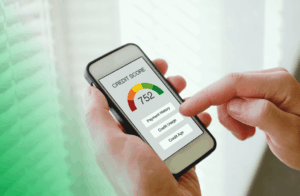

👀 You Lose Visibility Into Your Financial Health
Ignoring your credit score for three years is similar to driving a car without ever checking the dashboard. While things may seem fine on the surface, hidden issues can develop without your knowledge. Your credit score is one of the most important indicators of your financial health, reflecting how well you manage debt, make payments, and handle credit responsibilities. When you stop monitoring it, you may miss signs of declining financial performance, inaccurate reporting, or risky habits that gradually lower your score. Over time, a lack of awareness can turn minor issues into major problems, making recovery more difficult and time-consuming than if you had addressed them early.
📉 Negative Changes Can Go Unnoticed
One of the biggest risks of ignoring your credit score is that negative changes may occur without your knowledge. Missed payments, increased credit card balances, collections accounts, or reporting errors can significantly impact your credit profile. If you are not reviewing your credit regularly, these issues can remain unresolved for years. What might have been a simple correction or small financial adjustment can eventually become a larger obstacle. By the time you discover the decline, your credit score could be substantially lower than expected, affecting your ability to qualify for favorable financial opportunities.
💳 Higher Debt May Quietly Build Up
When people stop paying attention to their credit, they often become less aware of how much debt they are carrying. Small balances can gradually grow through interest charges, additional purchases, and minimum payments. Over a three-year period, this accumulation can significantly increase credit utilization, which is a major factor in credit scoring. Higher balances not only reduce your score but also make repayment more challenging. Ignoring your credit can create a cycle where debt continues to expand while your financial flexibility steadily decreases, limiting your options when you need them most.
🚫 Loan and Credit Opportunities Become Harder to Access
A strong credit score often opens doors to loans, credit cards, mortgages, and other financial products. However, if your credit score declines due to years of neglect, you may face difficulties when applying for new credit. Lenders use credit scores to assess risk, and a lower score can result in application denials, reduced credit limits, or stricter borrowing requirements. Many people only realize the importance of their credit score when they need financing for a major purchase. Unfortunately, discovering credit problems at that moment can delay or completely prevent access to important financial opportunities.
🏠 Housing and Rental Applications May Be Affected
Many landlords review credit reports as part of their tenant screening process. If your credit score has deteriorated over three years due to missed payments or excessive debt, securing a rental property can become more difficult. Property owners often view credit history as a reflection of financial responsibility and reliability. A weak credit profile may lead to additional security deposits, stricter lease conditions, or rejected applications. Ignoring your credit for an extended period can therefore affect not only your borrowing ability but also your housing options and overall financial stability.
⚠️ Identity Theft and Reporting Errors Can Remain Hidden
Credit monitoring is one of the most effective ways to detect identity theft and reporting mistakes. If you ignore your credit score and credit reports for several years, fraudulent accounts or inaccurate information may remain unnoticed. Criminal activity can damage your credit and create financial complications that become increasingly difficult to resolve over time. Similarly, reporting errors can negatively affect your score if they are never identified and disputed. Regularly checking your credit helps ensure that the information being reported is accurate and that any suspicious activity is addressed promptly.
🌟 Recovery Takes Longer Than Prevention
The good news is that credit damage can often be repaired, but recovery usually takes much longer than prevention. Three years of neglected credit habits can require months or even years of consistent effort to correct. Rebuilding may involve paying down debts, resolving collections, correcting errors, and establishing a positive payment history. The process can be challenging, but it is entirely possible with discipline and commitment. The key lesson is that monitoring your credit regularly and addressing issues early is far easier than trying to reverse years of neglect. By staying informed and proactive, you can protect your financial future and keep valuable opportunities within reach.