Understanding Credit as a Financial Resource 🧠
Credit is often misunderstood as something dangerous or restrictive, but in reality, it is a powerful financial tool when used correctly. At its core, credit allows individuals to access opportunities before having full cash availability. This can include buying a home, starting a business, investing in education, or handling unexpected expenses. Problems arise not from the existence of credit itself, but from misuse, lack of education, or emotional decision‑making. When viewed strategically, credit becomes a flexible resource that helps manage cash flow, build wealth, and create long‑term stability rather than something that automatically leads to debt or stress.
Why Credit Gets a Bad Reputation 🔍
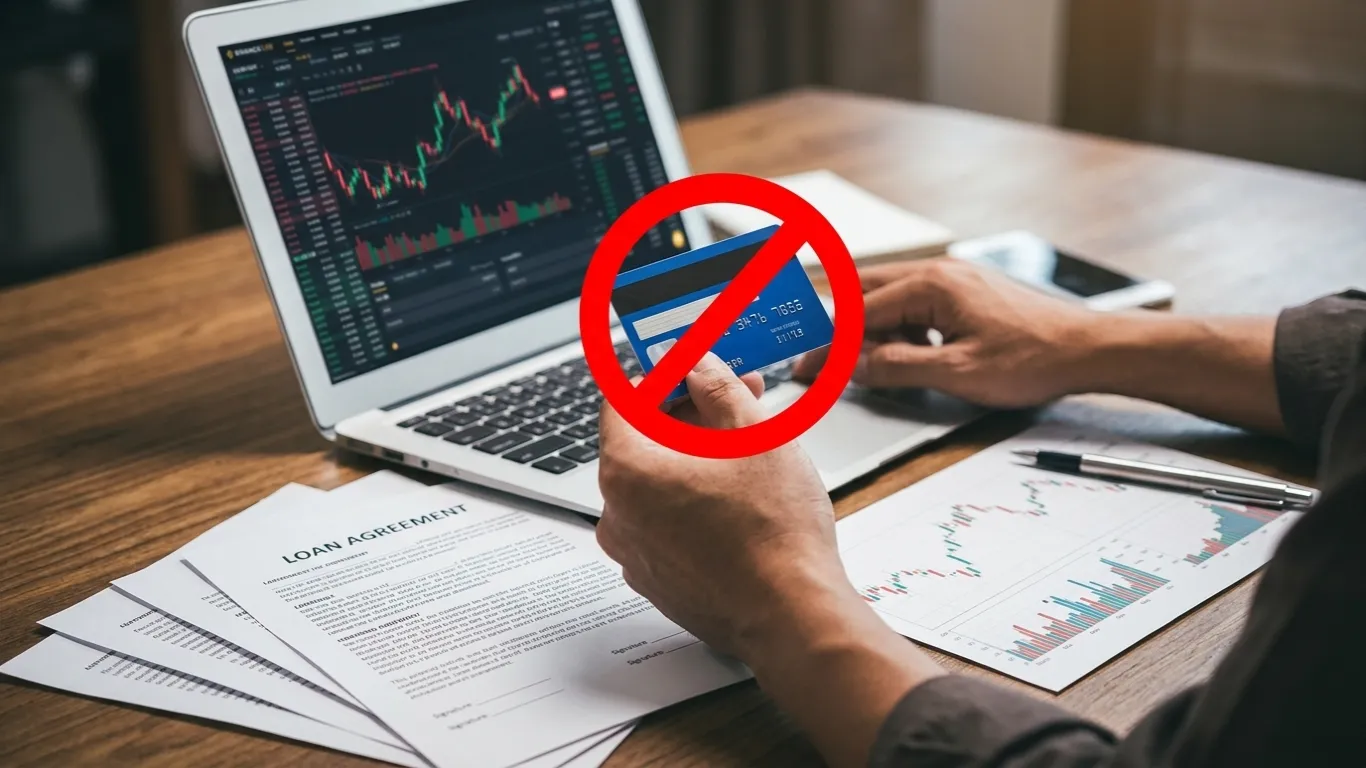
Credit has earned a negative reputation largely because of how it is marketed and used. Easy approvals, high limits, and minimum payments can make borrowing feel harmless in the short term, while the long‑term consequences remain hidden. Many people fall into debt not because credit is bad, but because they were never taught how credit works—how interest accumulates, how utilization affects scores, or how repayment timelines impact finances. When credit is used impulsively without a plan, it can feel like a trap. However, the issue lies in understanding and discipline, not the tool itself.
Credit Helps Build Financial Flexibility 💼
One of the biggest advantages of credit is flexibility. Strong credit allows you to spread payments over time, preserve cash reserves, and respond to financial opportunities quickly. Instead of draining savings for every major expense, credit provides breathing room and financial leverage. For businesses, this flexibility can mean the ability to expand operations, buy inventory, or manage payroll fluctuations. For individuals, it can provide stability during transitions like job changes or medical expenses. Credit acts as a support system when managed responsibly, allowing finances to adapt without panic.
How Responsible Credit Use Builds Trust 📈
Every time credit is used and repaid responsibly, it builds trust with lenders, institutions, and even employers or landlords who review credit histories. Consistent, on‑time payments demonstrate reliability, planning, and accountability. Over time, this trust translates into lower interest rates, higher limits, better loan terms, and more financial options. Rather than restricting freedom, good credit increases it. It opens doors to better housing, transportation, and career opportunities. Credit scores are simply a reflection of behavior, and when that behavior is intentional, credit becomes a pathway—not a barrier.
The Difference Between Strategic Debt and Dangerous Debt ⚖️
Not all debt is the same, and understanding this distinction is key to using credit wisely. Strategic debt is typically tied to assets or opportunities that increase value over time, such as education, real estate, or business growth. Dangerous debt often funds short‑term consumption without a repayment strategy. When credit is used with a clear purpose, defined budget, and exit plan, it supports progress. When used emotionally or without foresight, it becomes burdensome. Viewing credit as a tool encourages thoughtful decisions rather than fear‑based avoidance.
Credit Education Turns Fear Into Control 🛠️
Many people fear credit because they don’t fully understand it. Education transforms that fear into control. When individuals understand interest rates, billing cycles, utilization, and how credit reports work, they gain the ability to make confident decisions. Knowledge allows people to pay less interest, avoid penalties, and use credit intentionally rather than reactively. With education, credit stops feeling unpredictable and starts behaving like a structured system that rewards consistency and planning. This sense of control changes the relationship with credit entirely.
Using Credit to Create Long‑Term Opportunity 🌱
When used with intention, credit supports long‑term goals rather than undermining them. It can help establish financial stability, support growth, and reduce stress during unexpected challenges. Credit becomes especially powerful when paired with budgeting, savings, and financial awareness. Instead of avoiding credit out of fear, successful individuals and businesses learn how to manage it strategically. In this way, credit functions exactly as it was intended: as a tool to access opportunity, not a trap to fall into.