🧠 Understanding Credit Scores and Their Importance
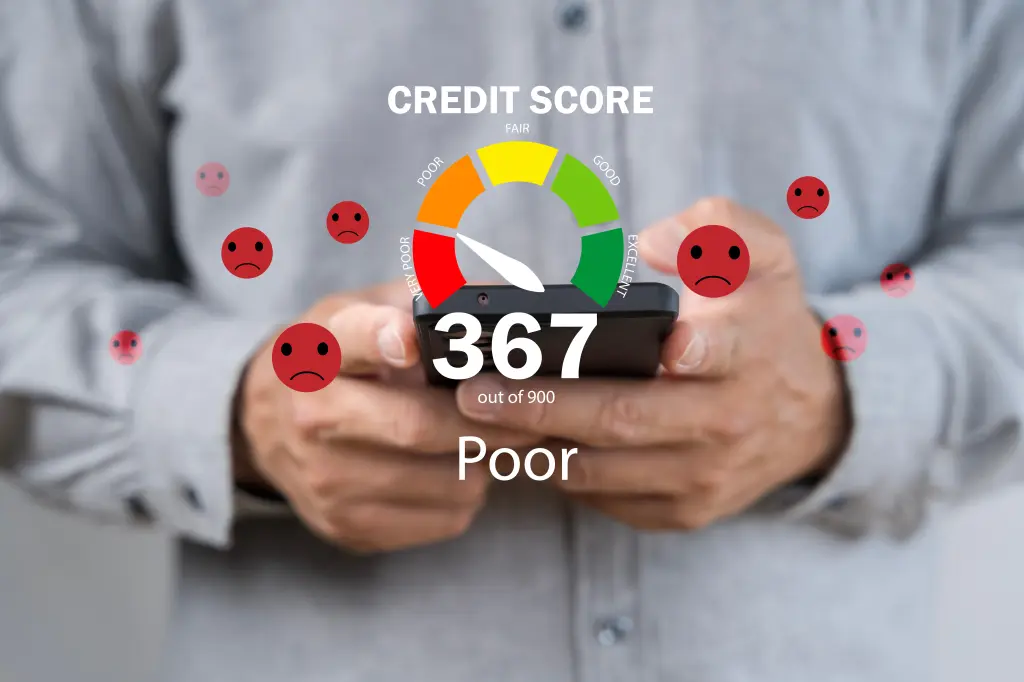
Credit scores are a critical component of financial health, yet many Gen Z individuals struggle to understand their significance. A credit score determines your ability to borrow money, secure loans, and even rent apartments. It reflects your financial behavior, including payment history, credit utilization, and account age. For Gen Z, who are just entering adulthood, this concept can feel overwhelming. Many are unaware that simple actions like paying bills late or maxing out a credit card can have long-term consequences. Understanding credit scores early is essential for building financial independence and avoiding costly mistakes.
💳 Limited Credit History and Its Impact
One of the biggest challenges Gen Z faces is a lack of credit history. Lenders rely on past behavior to predict future reliability, but young adults often have few or no credit accounts. Without a track record, it’s harder to qualify for loans or get favorable interest rates. This creates a cycle where Gen Z needs credit to build a score but struggles to access credit without an existing score. Solutions like secured credit cards or credit-builder loans can help break this cycle, but awareness and education are key.
📱 Preference for Digital Payments Over Credit
Gen Z is a tech-savvy generation that prefers mobile wallets, peer-to-peer payment apps, and debit cards over traditional credit cards. While these options are convenient, they don’t contribute to building a credit history. This reliance on digital payments can leave Gen Z at a disadvantage when applying for mortgages, car loans, or even certain jobs that check credit reports. Balancing modern payment habits with strategic credit use is essential for long-term financial success.
🛡️ Fear of Debt and Financial Risk
Many Gen Z individuals grew up during economic uncertainty and witnessed the burden of debt on older generations. As a result, they often avoid credit cards and loans out of fear of falling into debt. While caution is wise, avoiding credit entirely can harm financial growth. Responsible credit use—such as paying balances in full and keeping utilization low—can build a strong score without creating debt problems. Education on safe credit practices can help Gen Z overcome this fear and use credit as a tool rather than a trap.
🔍 Lack of Financial Education
Financial literacy remains a major barrier for Gen Z. Schools rarely teach credit management, leaving young adults to learn through trial and error. Misunderstandings about interest rates, minimum payments, and credit utilization often lead to mistakes that damage scores. Without proper guidance, Gen Z may unknowingly harm their financial future. Accessible resources, online courses, and mentorship programs can bridge this gap and empower young adults to make informed decisions.
🌍 Economic Pressures and Lifestyle Choices
Gen Z faces unique economic challenges, including rising living costs, student loan debt, and competitive job markets. These pressures often lead to prioritizing immediate needs over long-term financial planning. Lifestyle choices, such as frequent travel or subscription-based spending, can strain budgets and increase reliance on credit. Without careful management, these habits can result in high utilization and missed payments, both of which negatively impact credit scores. Building a realistic budget and sticking to it is crucial for maintaining financial health.
✅ How Gen Z Can Overcome Credit Challenges
The good news is that Gen Z can take proactive steps to improve their credit health. Start by opening a low-limit credit card and using it responsibly. Pay bills on time, keep balances low, and monitor your credit report regularly. Consider tools like secured cards or credit-builder loans to establish a positive history. Embrace financial education through apps, blogs, and courses designed for young adults. By taking small, consistent actions, Gen Z can build strong credit scores and unlock opportunities for financial independence.