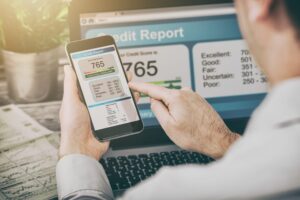
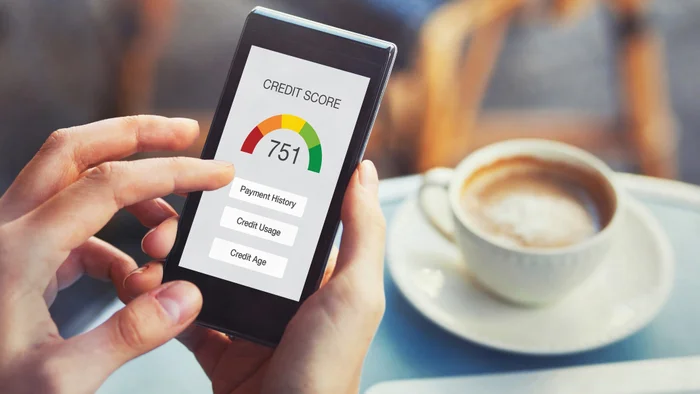
In an age where connectivity is vital, many consumers are shocked to find that their credit score plays a significant role in determining the cost of internet services. Providers often conduct credit checks as part of their onboarding process, and those with lower scores might face higher monthly fees or even hefty security deposits. This emphasizes a broader issue: access to essential services can be predicated on one’s financial history rather than just the need for reliable internet.
What’s particularly striking is how this practice disproportionately affects marginalized communities, who may already struggle with financial instability. By linking basic internet access to credit scores, service providers inadvertently deepen the digital divide. Some companies are beginning to offer alternative options—like prepaid plans or flexible payment structures—to counteract these barriers. However, it’s still crucial for consumers to advocate for fairer practices in an ever-evolving digital landscape; after all, everyone deserves the right to connect without being penalized for past financial difficulties.
Introduction: Understanding Internet Pricing and Credit Scores
In the digital age, understanding how internet pricing influences credit scores is crucial for consumers navigating their financial health. Many are unaware that seemingly unrelated factors, like a missed payment on an internet service provider, can have a ripple effect on their overall creditworthiness. As companies increasingly tie service packages to credit assessments, individuals with lower scores may find themselves paying more for essential services or facing limited options. This connection highlights the importance of maintaining not just financial accounts but also utility payments within personal budgeting strategies.
Moreover, the dynamic between internet pricing and credit scores reflects a broader trend in consumer behavior where data-driven decisions become paramount. Providers often use credit scores as part of their risk assessment processes to tailor service offerings and contract terms—an aspect that savvy shoppers can leverage. Understanding this intricate dance allows consumers to strategize effectively; those with solid credit can negotiate better rates while those looking to improve their scores might focus on timely payments across all areas of spending, including utilities. By grasping these connections, individuals empower themselves to optimize both their online experience and financial standing in today’s interconnected world.
The Connection Between Credit Scores and Services
Credit scores serve as a vital compass in the landscape of financial services, influencing everything from loan approvals to insurance premiums. But beyond just numbers on a page, these scores reflect an individual’s financial behavior—essentially mapping their reliability and risk profile to lenders, service providers, and even potential employers. As the digital economy evolves, we’re seeing credit scoring systems integrating more nuanced data sets, like utility payments and rental history. This shift not only broadens access for those who may have been overlooked by traditional models but also encourages responsible borrowing.
Moreover, the interplay between credit scores and services is becoming increasingly collaborative. Financial institutions are now more inclined to offer personalized products tailored specifically to your credit profile. For instance, improved algorithms allow lenders to create bespoke loan solutions or flexible repayment options for individuals with lower scores who demonstrate consistent payment histories in other areas. This relationship underscores an important reality: maintaining a healthy credit score isn’t just about securing loans; it’s also about unlocking opportunities that enhance overall financial well-being and access to quality services. As consumers become more informed about this connection, they can better harness their financial behaviors as leverage in the marketplace.
How ISPs Use Your Credit Score
ISPs have increasingly started to incorporate credit scoring as a means to assess potential customers, and this practice raises some intriguing questions about privacy and access. By examining your credit score, Internet Service Providers gauge not only your financial reliability but also the likelihood of timely payments. This introduces an unexpected barrier for those with lower scores who may already face challenges accessing essential services. A poor credit rating could limit options to basic broadband, potentially creating a digital divide where economic status dictates internet access.
Moreover, this trend highlights the broader implications of data interconnectivity in our daily lives. Credit scores are typically reserved for loan approvals or purchases; however, ISPs leverage them as part of their risk assessment protocols. Interestingly, this practice forces consumers into an intricate dance where they must constantly manage their financial reputation not just for traditional lending purposes but also for securing a vital service like internet connectivity. As these companies continue to innovate in their service offerings—like bundling with smart home technology—the stakes become even higher, prompting us to reconsider what constitutes equitable access in an increasingly digital world.
Impact of Poor Credit on Internet Costs
Poor credit can significantly impact internet costs, often leading to higher monthly bills and additional fees. Many internet service providers (ISPs) assess credit scores as part of their application process, treating potential customers with low scores as higher risk. This can result in mandatory deposits or inflated monthly rates that reflect the perceived risk associated with non-payment. For consumers already struggling financially, these extra charges can create a cyclical effect where they are unable to afford basic services.
Moreover, poor credit not only raises immediate costs but also limits access to competitive options. ISPs may offer special promotions or lower rates to those with favorable credit histories, effectively locking out individuals with bad credit from the best deals on the market. This situation forces many into subpar plans that may involve slower speeds or data caps, further exacerbating their experience by diminishing online accessibility—an essential resource for education and employment opportunities in today’s digital age. Ultimately, this creates a digital divide where those who might benefit most from reliable internet access are penalized for their financial history instead.
Ways to Improve Your Credit Score
One often-overlooked aspect of improving your credit score is the strategic use of secured credit cards. Unlike traditional credit cards, secured options require a cash deposit that serves as your credit limit. This not only mitigates risk for lenders but allows you to build positive payment history without falling into debt traps. Make small, manageable purchases each month—things you can pay off in full when the bill arrives—and watch your score gradually rise as you demonstrate responsible usage.
Another crucial strategy involves optimizing your existing accounts rather than solely focusing on opening new ones. You might consider increasing your credit limits by requesting higher amounts from current creditors; this can lower your overall utilization ratio and positively impact your score if you’re using a small percentage of that available credit. Additionally, consider becoming an authorized user on a trusted friend’s or family member’s account with excellent standing—this can provide a boost to your credit profile without any added risk for yourself, provided they maintain good habits.
Lastly, be proactive about monitoring your credit reports for inaccuracies that could be dragging down your score. Utilize free resources even if you’re unsure something appears wrong; sometimes errors go unnoticed for years and correcting them could give you an immediate elevation in points. Staying informed about how changes in finance trends and consumer behavior affect scoring models will also empower you to make choices that align with building better financial health over time.
Tips for Negotiating with Internet Providers
Negotiating with internet providers over credit scores can feel daunting, but it’s a strategic opportunity to enhance your financial standing. First, do your homework—understand the nuances of how different providers assess credit and what their policies are regarding deposits and fees for individuals with lower scores. Many companies have flexible options that aren’t always advertised; knowledge is your best ally here. When you approach them, present yourself as a loyal customer or prospective customer eager to establish or maintain service rather than focusing solely on the negatives of your credit history.
Additionally, don’t shy away from leveraging competing offers as a bargaining chip. If another provider is willing to offer you a better deal based on your situation, mention this during negotiations—it can often prompt the current provider to reconsider their stance. And remember that all negotiations are ultimately about people: be polite yet firm in conveying your needs while expressing appreciation for any accommodations they make. A respectful conversation can foster goodwill that might lead to favorable terms you didn’t initially think were possible.
Alternative Options for Poor Credit Holders
For those navigating the challenges of poor credit, alternative financial options can open new doors without dragging you further down the rabbit hole of endless debt. Peer-to-peer lending platforms have surged in popularity, allowing individuals to borrow money directly from other individuals rather than traditional banks. This not only promotes more competitive interest rates but also fosters a sense of community support—often resulting in more flexible repayment terms based on personal circumstances.
Additionally, credit unions present a viable alternative for those seeking loans or financial services without the stringent requirements imposed by larger institutions. These member-focused organizations often prioritize local borrowers and can provide tailored advice and solutions to help amplify your financial health. Moreover, exploring secured loans—where an asset such as a vehicle or savings account acts as collateral—can be less intimidating; these options can help rebuild credit while offering lower interest rates due to reduced lender risk. Embracing these alternatives may just be the key to unlocking better financial stability without relying solely on traditional banking avenues.
The Future of Credit and Internet Access
As the digital landscape continues to evolve, the intersection of credit and internet access presents a transformative opportunity. With millions worldwide lacking reliable connectivity, the concept of digital credit scores is becoming increasingly relevant. Imagine a world where your online activities and engagement levels can determine your eligibility for loans or mortgages. This would not only democratize access to financial resources but also encourage responsible online behavior, fostering an informed digital citizenry capable of contributing positively to their communities.
Moreover, fintech innovations are enabling marginalized populations to leapfrog traditional banking barriers by utilizing mobile technology and alternative data sources for credit assessment. In regions where conventional banking infrastructure remains undeveloped, platforms that consider transaction histories from mobile money services could redefine how creditworthiness is evaluated. This dual focus on broader internet accessibility and innovative credit solutions suggests a future in which financial inclusion transcends geography; as robust digital ecosystems emerge, underserved communities might finally gain equitable opportunities for economic growth and self-sufficiency.
Conclusion: Managing Costs with Better Credit
In today’s financial landscape, managing costs effectively is more crucial than ever, and leveraging better credit can be a game-changer. By improving your credit score, you unlock access to lower interest rates and favorable terms on loans and credit cards. This not only reduces monthly payments but also lessens the total amount paid over time, enabling individuals to allocate those savings toward investments or essential expenses. Furthermore, businesses that establish good credit can secure funding for growth initiatives without the burden of exorbitant repayment amounts.
Additionally, enhanced creditworthiness cultivates opportunities for negotiating terms with suppliers and service providers. Businesses become empowered to pursue longer payment cycles or discounts for early payments when they present a strong financial profile. On a personal level, consumers might find it easier to negotiate rates on insurance policies or even rent agreements. Ultimately, managing costs with better credit fosters a nuanced understanding of financial health — it transforms what could be perceived as merely numbers into actionable strategies that enhance both individual lives and business operations alike. Embracing this mindset not only paves the way towards significant savings but also cultivates greater peace of mind in an often tumultuous economic environment.