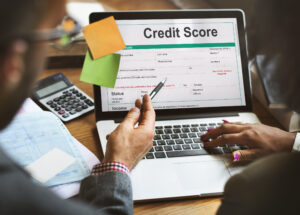

Starting a business is an exciting journey filled with ambition, creativity, and risk. While most entrepreneurs focus on business plans, funding, and market strategy, one critical factor often gets overlooked—your personal credit score. Whether you’re applying for a business loan, leasing office space, or securing vendor relationships, your credit score can play a pivotal role in shaping your startup’s financial foundation. Understanding how your credit score affects your ability to launch and grow a business is essential for long-term success. In this post, we’ll explore the key credit score considerations every aspiring business owner should keep in mind.
🧠 Why Your Personal Credit Score Matters
When you’re just starting out, your business likely doesn’t have its own credit history. That means lenders, landlords, and suppliers will look at your personal credit score to assess your financial reliability. A strong personal credit score can help you qualify for better loan terms, lower interest rates, and higher credit limits. On the other hand, a poor score may lead to rejections or require you to provide collateral or a co-signer. Your credit score becomes a reflection of your business’s trustworthiness—especially in the early stages when your personal finances are closely tied to your company’s operations.
📊 Business Loan Eligibility and Financing Options
Most traditional lenders, including banks and credit unions, use your personal credit score as a key factor when evaluating business loan applications. A score of 680 or higher is generally considered favorable, while scores below 600 may limit your options. Even alternative lenders and online platforms often require a minimum credit score to qualify. If your score is strong, you may be eligible for SBA loans, lines of credit, or equipment financing. If it’s weak, you might be restricted to high-interest loans or cash advance products that can strain your cash flow. Understanding your score helps you choose the right financing path and avoid predatory lending.
🔐 Building Business Credit Separately
While your personal credit score is important initially, building a separate business credit profile is essential for long-term growth. This involves registering your business with a legal entity (like an LLC or corporation), obtaining an EIN (Employer Identification Number), and opening business bank accounts and credit lines. Over time, your business can establish its own credit score based on payment history, credit utilization, and vendor relationships. A strong business credit score allows you to access funding without relying on your personal credit and protects your personal assets from business liabilities.
🛠️ Managing Credit Utilization and Debt
Credit utilization—the ratio of your credit card balances to your credit limits—is a major factor in your credit score. High utilization can signal financial stress and lower your score, even if you make payments on time. As a business owner, it’s easy to rack up expenses on personal credit cards, especially during startup phases. To avoid damaging your score, keep utilization below 30%, pay off balances regularly, and consider separating personal and business expenses. Responsible debt management not only improves your credit score but also strengthens your financial discipline as an entrepreneur.
📱 Monitoring Your Credit and Identity
Starting a business often means sharing your personal information with banks, vendors, and online platforms. This increases your exposure to identity theft and fraud, which can severely impact your credit score. Use credit monitoring tools to track changes in your credit report, receive alerts for suspicious activity, and ensure your identity remains secure. Many services also offer tips to improve your score and simulate how financial decisions will affect it. Staying informed helps you protect your credit and make smarter choices as your business grows.
💬 Preparing for Credit Checks and Applications
Before applying for any business-related credit, review your personal credit report for errors, outdated information, or fraudulent accounts. Dispute inaccuracies with the credit bureaus and ensure your score is as strong as possible. Prepare documentation that shows your income, assets, and business plan to strengthen your application. If your score is borderline, consider improving it before applying or exploring lenders that offer credit-building products. Being proactive about your credit profile increases your chances of approval and positions your business for financial success.
📈 Long-Term Credit Strategy for Entrepreneurs
Your credit score isn’t just a number—it’s a tool that can help you build, grow, and sustain your business. Develop a long-term strategy that includes maintaining low debt levels, paying bills on time, and building both personal and business credit profiles. As your business expands, your creditworthiness will influence partnerships, investment opportunities, and scalability. By treating your credit score as a strategic asset, you lay the foundation for a financially resilient and successful business.